Dog Treats and Snacks for Training, Chewing and Excellent Behaviour
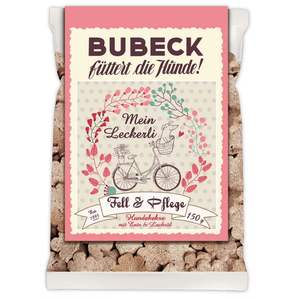
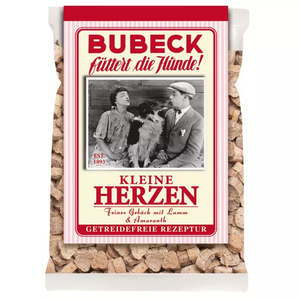
Dog treats can reward a useful choice, fill an enrichment toy, provide something satisfying to chew or simply mark the fact that Tuesday happened. This collection brings together natural dog treats, training rewards, dried snacks, biscuits, plant-based bites and special-occasion extras from small independent brands.
Choose by purpose, ingredients and texture rather than packaging alone. Your dog cannot read the label. Annoyingly, you still have to.
Choose the Right Dog Snack
Small Treats for Training
Training treats should be easy to portion, quick to eat and motivating enough to keep your dog interested. Small pieces allow more repetitions without turning one training session into an entire meal.
Natural Chews for Longer Sessions
Natural chews come in different proteins, sizes and textures. Choose a chew that is larger than your dog can swallow whole, supervise every session and remove small end pieces or anything that begins to splinter.
Plant-Based and Fruit Snacks
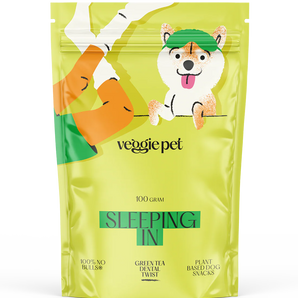
Plant-based dog treats include fruit, vegetable and biscuit-style options. Plant-based and fruit snacks can also be suitable for dogs with allergies to certain animal proteins, provided every ingredient suits the individual dog. Check the full ingredient list and portion size, because plant-based does not automatically mean allergen-free.
Artisan Biscuits and Celebration Treats
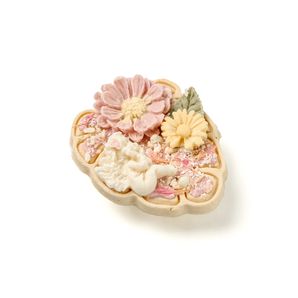
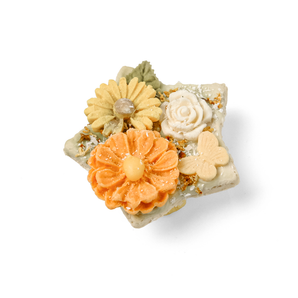
Artisan dog snacks bring the tiny bakery energy: decorated biscuits, handmade shapes and treats for birthdays or gifting. They are still complementary food, even when they look ready for their own display cabinet.
Dog Ice Cream and Frozen Treats
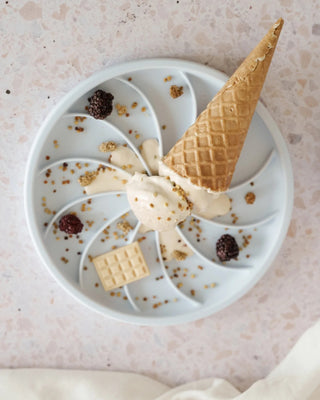
Dog ice cream and frozen mixes make a useful warm-weather activity when prepared according to the instructions. They do not replace fresh water, shade or a cool resting place, and they do not treat overheating.
Freeze-Dried, Air-Dried or Baked?
Freeze-dried treats: light, easy to break and useful for training or topping meals. Single-protein options can make ingredient checking simpler.
Air-dried snacks and chews: denser textures that range from small rewards to longer chewing activities.
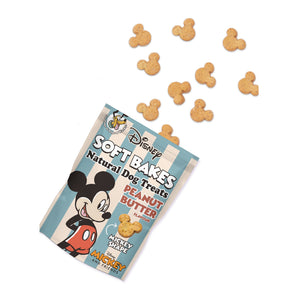
Soft treats: easy to portion quickly during training and often useful for older dogs or smaller mouths.
Baked biscuits: crunchy everyday treats and decorative options for occasions when a plain cube apparently will not do.
How to Choose Treats for a Sensitive Dog
Read the complete ingredient list and avoid proteins or ingredients your dog does not tolerate. Introduce one new treat at a time and start with a small portion. Terms such as natural, grain-free or hypoallergenic do not guarantee that a product suits an individual dog.
If your dog has a diagnosed allergy, pancreatitis, kidney disease, a prescription diet or recurring digestive symptoms, ask your veterinarian before introducing new snacks.
Portions Still Count
Treats are usually complementary food, not a complete diet. Keep them as a modest part of the day’s intake and reduce the regular meal when needed. The right amount depends on your dog’s size, activity, health and the calorie content of the snack.
Break larger treats into smaller pieces for training. Dogs tend not to file a complaint about the dimensions.
Dog Treat Safety
Keep fresh drinking water nearby.
Supervise chews and remove pieces that could be swallowed whole.
Choose a size and hardness that suit your dog’s mouth, teeth and chewing style.
Store treats according to the label and respect use-by guidance.
Never give human chocolate or products containing xylitol, grapes, raisins, onion or garlic.
Some dog-safe products use carob as a chocolate-style flavour. Carob and chocolate are not the same thing, so check the label rather than making assumptions based on colour and ambition.
Why the Snack Drawer Deserves Standards
A useful treat fits the moment. Keep small, quick rewards for training, choose a supervised chew when you want a longer activity, and save elaborate biscuits for occasions that clearly require a tiny pastry.
Ingredients, portion size and your dog’s individual needs matter more than trends. The best snack is one your dog enjoys and handles well.
Frequently Asked Questions
How many treats can I give my dog?
It depends on the treat and the dog. Keep treats to a modest share of daily calories, follow the feeding guide and ask your veterinarian for advice when weight or health is a concern.
What makes a good training treat?
Choose small, easy-to-eat pieces that your dog finds motivating. Soft treats are often quick to portion, while dry treats are convenient to carry.
Are natural dog treats always healthier?
No single label guarantees suitability. Check ingredients, calories, texture and portion guidance against your dog’s needs.
Are freeze-dried dog treats raw?
Processing varies by product. Read the label and handle the treat according to the manufacturer’s storage and hygiene instructions.
Can puppies have dog treats?
Browse The Puppy Edit for puppy-focused options. Choose only when the product suits their age and size, use tiny portions, avoid very hard chews and supervise carefully.
How do I choose a safe chew?
Choose the right size and hardness, supervise the session and remove small ends, sharp pieces or a chew that begins to splinter.
Can treats replace dog food?
No. Most treats are complementary and do not provide the complete nutrition of an appropriate main diet.