Plush Dog Toys for Squeaking, Crinkling and Carrying
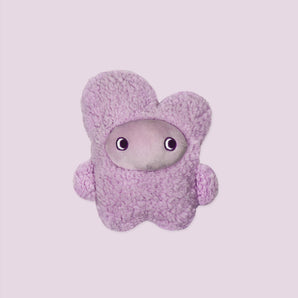
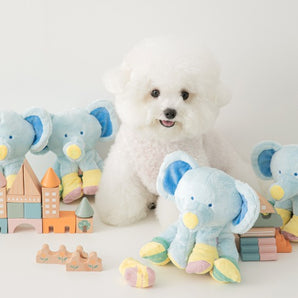
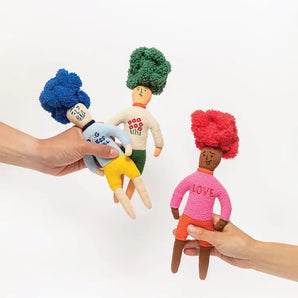
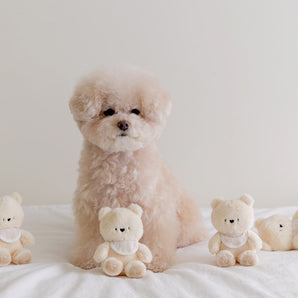
Plush dog toys can be soft companions, noisy playmates, treat-hiding puzzles or proudly carried household treasures. The useful question is not whether a toy is cute. It probably is. The useful question is what your dog plans to do with it.
Choose by texture, sound, size and construction, then supervise the first sessions to see whether your dog cuddles, retrieves, shakes, searches or immediately begins a detailed structural review.
Types of Plush Dog Toys
Squeaky Plush Toys
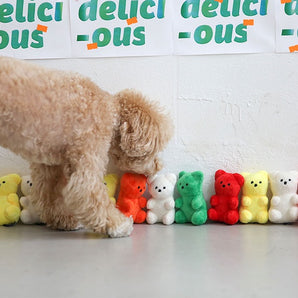
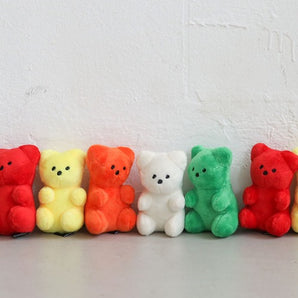
A built-in squeaker rewards biting and movement with sound. Some dogs love that feedback, while others prefer quieter toys. Check where the squeaker sits and remove the toy if your dog reaches it.
Crinkle Dog Toys
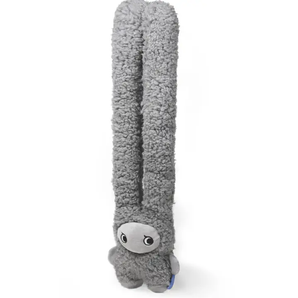
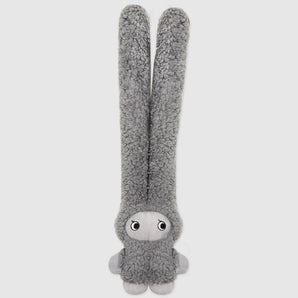
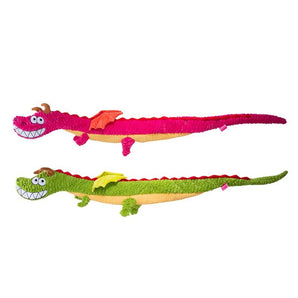
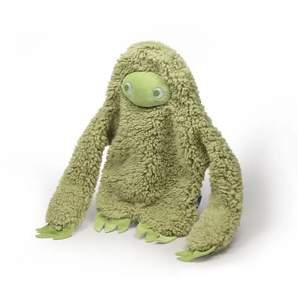
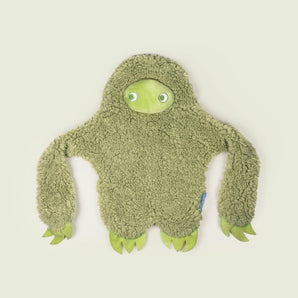
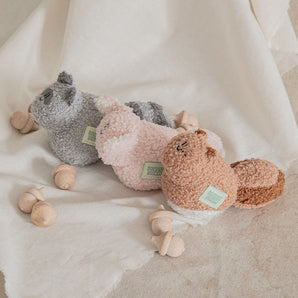
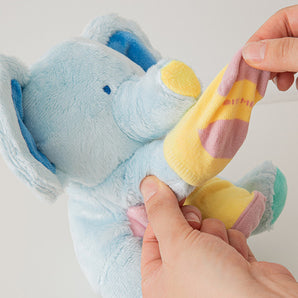
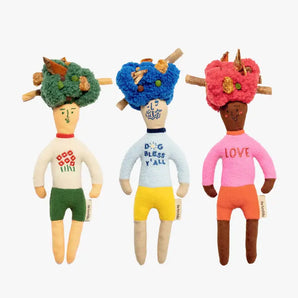
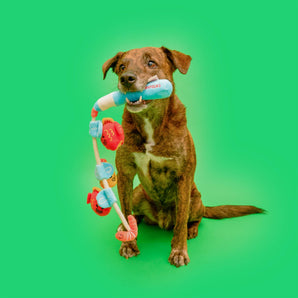
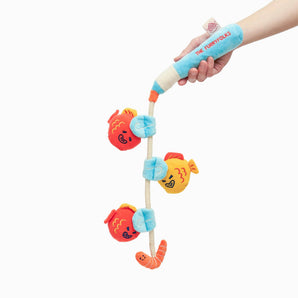
Crinkle material creates sound without relying only on a squeaker. Long shapes, soft balls and floppy limbs can work for carrying, gentle shaking or indoor games.
Plush Nosework Toys
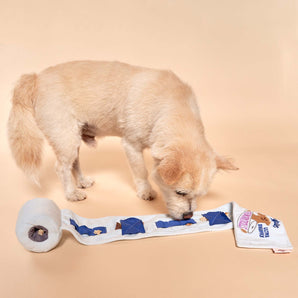
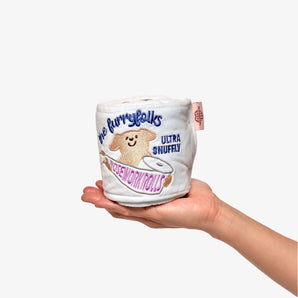
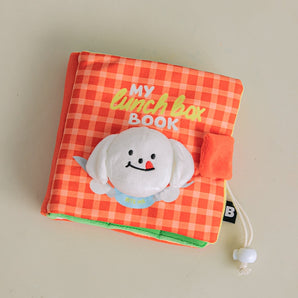
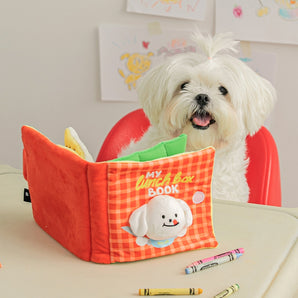
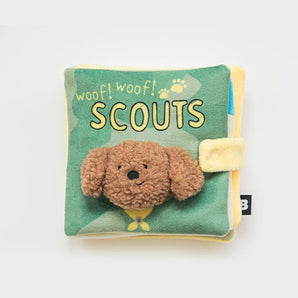
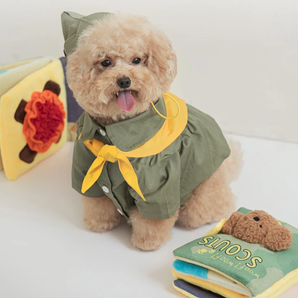
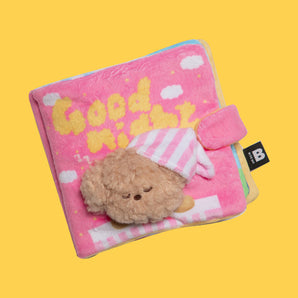
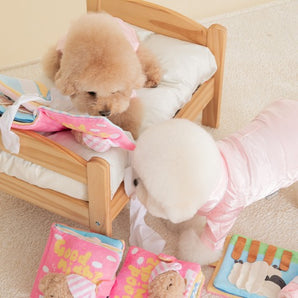
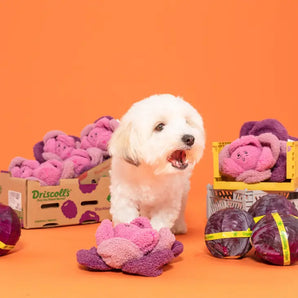
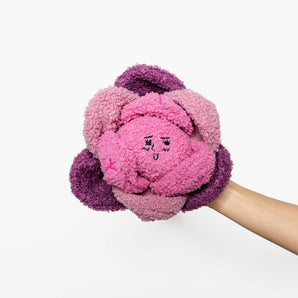
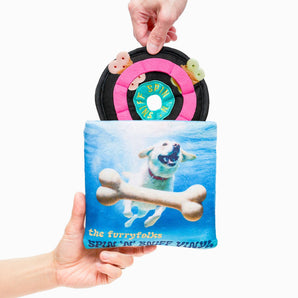
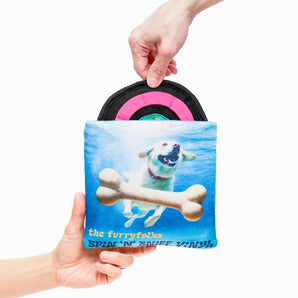
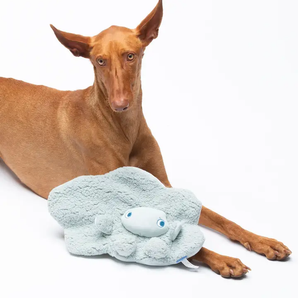
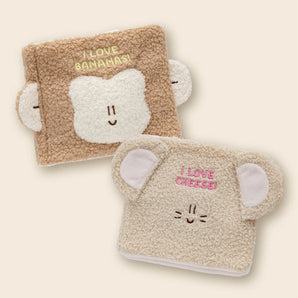
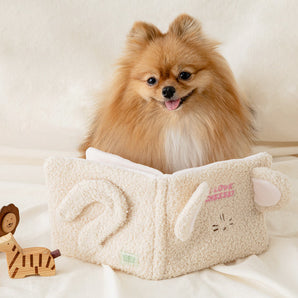
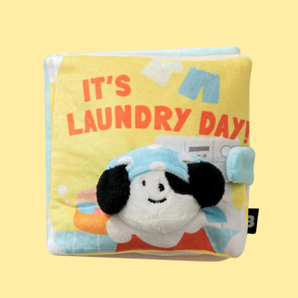
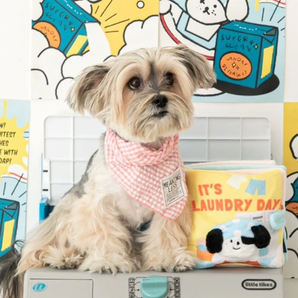
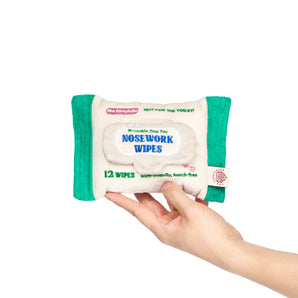
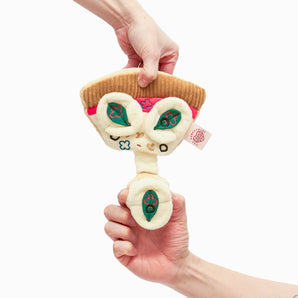
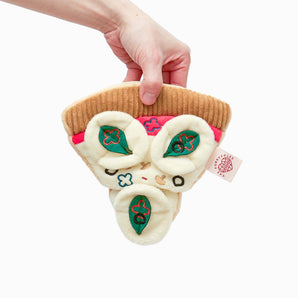
Some soft toys contain pockets, rolls, flaps or removable pieces for hiding treats. For more scent-led options, browse nosework toys and snuffle mats.
Plush Tug and Fetch Toys
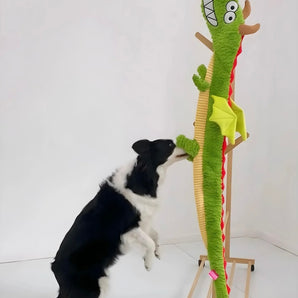
Long bodies, ropes and reinforced shapes can support gentle tug or short indoor retrieves when the individual toy is designed for it. For toys made specifically around shared pulling and returning, see tug and fetch toys.
Burrow and Hide-and-Seek Toys
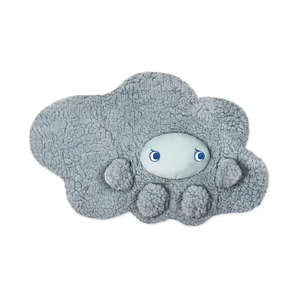
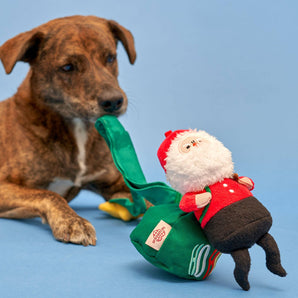
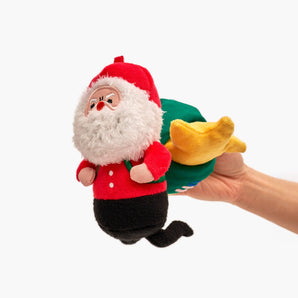
Burrow toys combine a larger plush container with smaller squeaky pieces to pull out and find. Explore hide-and-seek burrow toys for this particular form of soft-toy admin.
Choose a Plush Toy for Your Dog
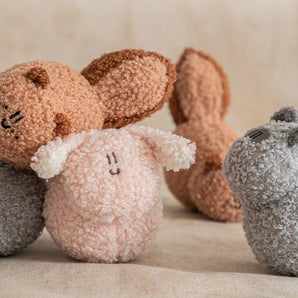
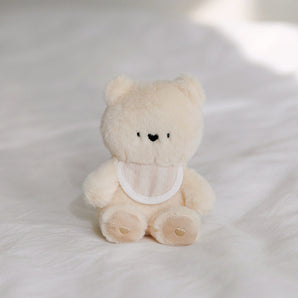
For carriers and cuddlers: choose a soft shape that is comfortable to hold and appropriately sized.
For sound lovers: look for squeakers or crinkle layers and consider whether the noise level also suits the humans.
For searchers: choose pockets, flaps or removable pieces with an achievable first difficulty.
For gentle fetch: soft balls and lightweight shapes can suit indoor play when the toy is intended for throwing.
For enthusiastic dismantlers: plush may require very short, actively supervised sessions or may simply be the wrong material.
Are Plush Toys Suitable for Strong Chewers?
Plush toys are generally made for soft play, carrying, squeaking or interactive games, not sustained power chewing. Reinforced seams and layered fabric can improve construction, but they do not make a soft toy indestructible.
If your dog systematically opens seams or removes appendages, explore the Strong Chewers collection or choose a different type from the purpose-made chew toys. Remove any plush toy as soon as stuffing, threads, squeakers or internal components become accessible.
Washing and Caring for Plush Dog Toys
Follow the individual care label. Some fabric toys are machine washable, while others need hand washing or spot cleaning. Remove treats and loose debris first, use a suitable mild detergent and let the toy dry completely before returning it.
Inspect seams and internal parts after washing. A clean toy with a newly opened seam has merely changed departments.
Plush Dog Toy Safety
Choose a toy large enough for your dog and supervise play. Removable pieces, squeakers and stuffing can become swallowing hazards if the toy is damaged. Do not assume a comforting design, scented feature or soft texture guarantees a calming effect for every dog.
Stop use when fabric tears, threads loosen, stuffing appears or the toy becomes small enough to swallow.
Frequently Asked Questions About Plush Dog Toys
Why do dogs like squeaky toys?
The sound provides immediate feedback when the toy is bitten or moved. Preferences vary, and some dogs are far more interested in carrying or crinkling than squeaking.
Are plush dog toys safe for puppies?
They can be when the size and construction suit the puppy and play is supervised. Browse The Puppy Edit for puppy-focused options, and check frequently during teething because chewing behaviour can change quickly.
Can a dog sleep with a plush toy?
Only when you know the dog does not chew or dismantle it unsupervised and the product is suitable for that use. Remove toys with damaged seams or accessible parts.
Are stuffing-free toys safer?
They remove one type of loose filling but can still contain fabric, seams, crinkle material or squeakers. They still need supervision and inspection.
How often should plush toys be replaced?
Replace them when damage makes them unsafe, not according to a fixed calendar. Check the toy after active play and every wash.