Hide the snacks. Hand over the puzzle. Watch your dog solve a problem you created specifically to make lunch more complicated. Fair? Debatable. Fun? Very.
Dog Puzzle Toys and Treat Dispensers for Smarter Snack Time
Puzzle toys are a form of mental exercise as well as a snack delivery system. A fair challenge gives your dog a fun, rewarding task, keeps them occupied and delivers a satisfying little win when they work out what makes the treats appear.
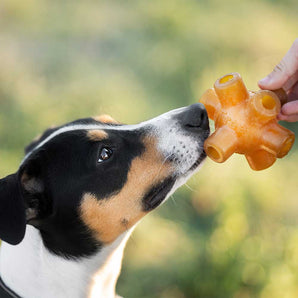
Dog puzzle toys turn treats or part of a meal into something to investigate. Your dog may need to roll, nudge, slide, lick, pull or search before the food appears. It is a simple way to add problem-solving and variety to a daily routine.
The goal is not to prove that your dog could run a small company. It is to offer a challenge they can understand, enjoy and eventually beat faster than you expected.
Choose a Dog Food Puzzle by Play Style
Fillable and Freezable Treat Toys
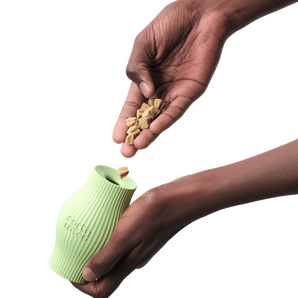
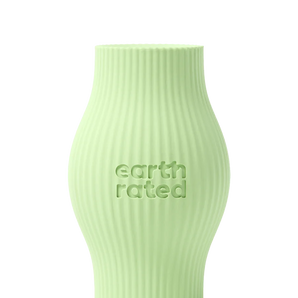
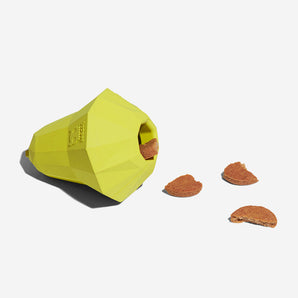
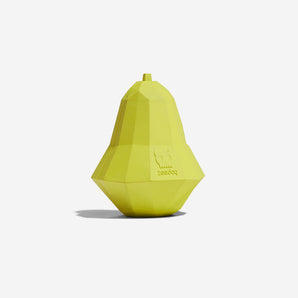
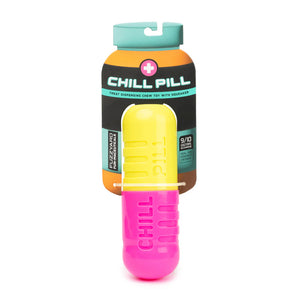
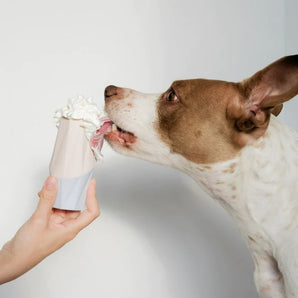
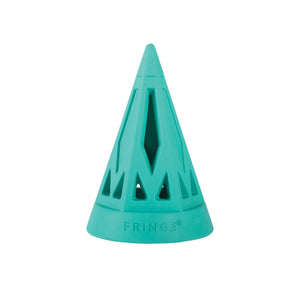
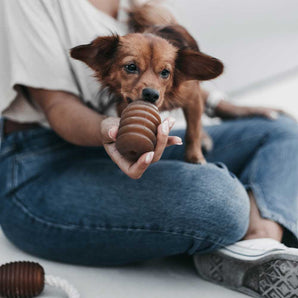
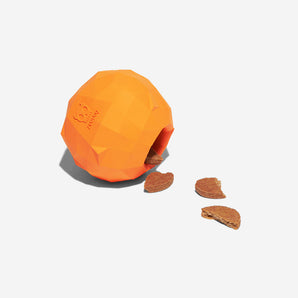
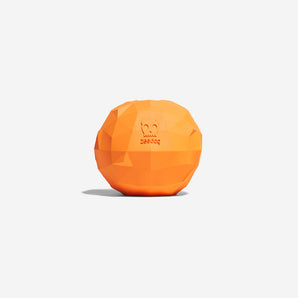
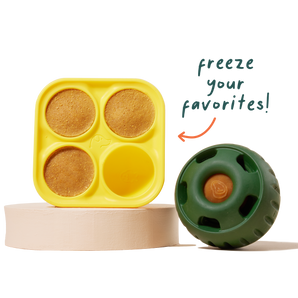
Fillable toys hold kibble, wet food or another dog-suitable mixture. The Zogoflex Toppl, Earth Rated Treat Toy and Ubbe each make dogs work around an opening or cavity. Freezing can extend the activity when the product is freezer safe.
Rolling Treat Dispensers
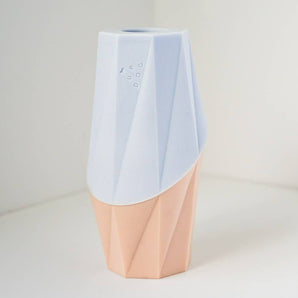
Rolling or wobbling toys release dry treats as they move. The Odin can be nudged and rolled, encouraging dogs to experiment with movement and cause and effect.
Slider and Compartment Puzzles
Board-style puzzles hide food under moving pieces. Start with some compartments partly open, then make the setup harder once your dog understands how the pieces move.
Fabric Foraging Puzzles
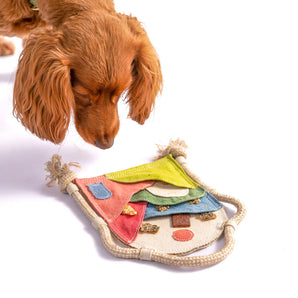
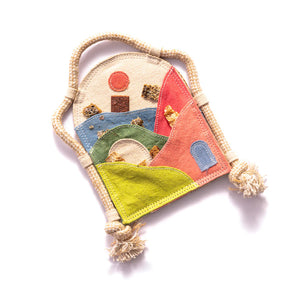
The Canvas Scenic Stasher hides dry treats inside layered pockets. Fabric puzzles suit supervised sniffing and searching, but they are not made for destructive chewing.
A Small Cheese Project
The Yeti Dog Chew Puff & Play uses a properly puffed cheese nugget inside an enrichment toy. Follow the preparation and cooling instructions carefully, and never serve the refill nugget without puffing it first.
How to Choose the Right Difficulty
Beginners: use visible food, open compartments and toys that release treats easily.
Experienced puzzlers: add deeper pockets, smaller openings or several steps.
Persistent chewers: choose durable materials and remove the puzzle when the food is gone.
Dogs who give up quickly: make the puzzle easier. Enrichment should build confidence rather than stage a workplace dispute.
Size matters too. Choose a toy that suits your dog’s mouth and cannot be swallowed. Follow the manufacturer’s size guidance where provided.
How to Introduce a New Dog Puzzle
Use familiar, appealing food.
Let your dog watch you place the food.
Make the first success quick and obvious.
Supervise and offer a small hint if needed.
Increase the difficulty gradually across later sessions.
You can use part of a normal meal or small pieces from the dog treats collection. Count every piece within the day’s food intake.
Puzzle Toy Safety and Cleaning
Inspect the puzzle before and after use. Remove loose pieces, stop using damaged products and take the toy away if your dog begins chewing instead of solving. No dog puzzle toy is indestructible.
Cleaning depends on the material. Wash food-contact surfaces after every session, reach into grooves and openings, and let everything dry fully. Hand wash fabric puzzles according to their care instructions.
Why Dog Puzzle Toys Work in Real Life
A familiar puzzle can give your dog a constructive job while you sit nearby through a meeting, finish a piece of work or handle another brief outbreak of human admin. Set it up at a difficulty your dog already understands and supervise based on the toy and your dog’s play style.
A puzzle can turn five minutes of eating into a longer, more focused activity without adding a separate training session. Use one at breakfast, during a quiet afternoon or whenever part of dinner could benefit from becoming a small assignment.
Rotate formats and keep the difficulty fair. Once a puzzle becomes effortless, change the filling or presentation before buying the canine equivalent of an entrance exam.
Frequently Asked Questions
Do puzzle toys give dogs mental exercise?
Yes. Rolling, sliding, licking, sniffing and searching all ask your dog to solve a small problem. Keep the challenge achievable so the task stays fun and rewarding rather than frustrating.
What is a dog puzzle toy?
It is a toy or feeder that asks a dog to perform an action such as rolling, sliding, licking or searching to reach food.
Are puzzle toys suitable for puppies?
They can be when the size, material and difficulty suit the puppy. Browse The Puppy Edit for puppy-focused options, start easy, supervise closely and prevent chewing or swallowing pieces.
What can I put in a treat dispenser?
Use appropriately sized kibble or dog training treats for dry dispensers. Small pieces that move freely through the opening keep the puzzle rewarding instead of accidentally impossible. Fillable toys may also take wet food or soaked kibble when the product permits.
How long should a puzzle session last?
There is no required time. End the session if your dog becomes frustrated, starts damaging the toy or loses interest.
Can I leave my dog alone with a puzzle toy?
Supervision is safest, especially with a new toy or any puzzle with removable parts. If strong chewing is the priority, browse the Strong Chewers collection instead.
How difficult should the puzzle be?
Your dog should succeed with reasonable effort. Make it easier if they become frustrated and increase the challenge only after they understand the mechanism.
Do puzzle toys replace walks or training?
No. They add useful mental activity, but dogs still need physical exercise, sniffing, rest, social contact and appropriate training.



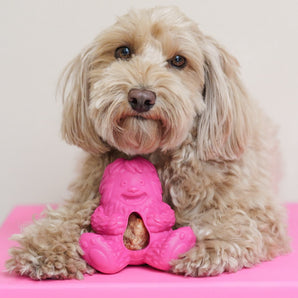 Puff And Play Toy (4 Nuggets Included) €24,95 /Yeti | BlueYeti | PinkYeti | GreenYeti | OrangeYak | BlueYak | YellowYak | PurpleYak | OrangeAvailable in 8 colors
 Woof Pupsicle From €24,95 /Forest GreenLavenderBuddy BlueParty PinkPower ChewerAvailable in 5 colors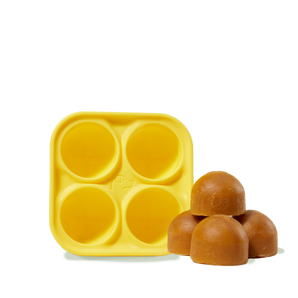

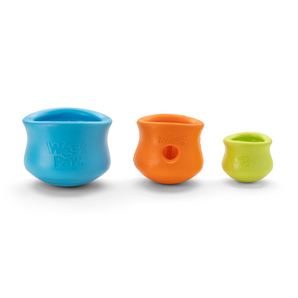 Zogoflex Toppl From €28,95 /Aqua BlueGranny Smith GreenTangerine OrangeLimited Edition LavenderAvailable in 4 colors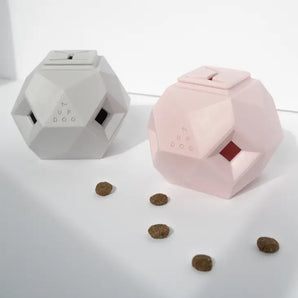
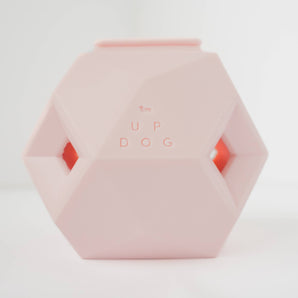 The Odin - Modern Interactive Dog Puzzle Toy €24,95 /Rose QuartzLight GreySlate GreyPowder BlueLavender PurpleAvailable in 5 colors