
Chew Toys
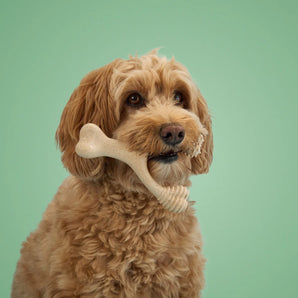
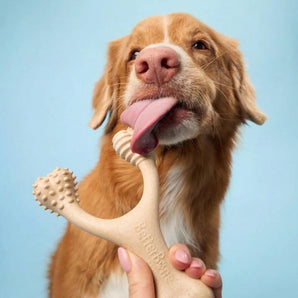

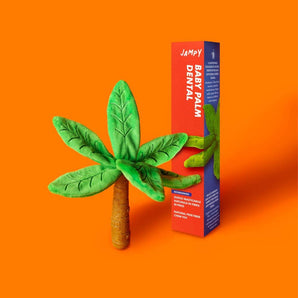

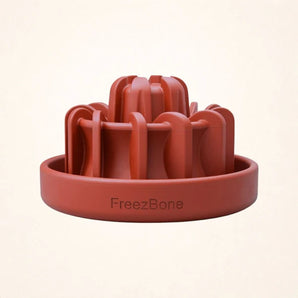







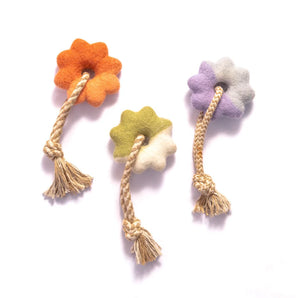
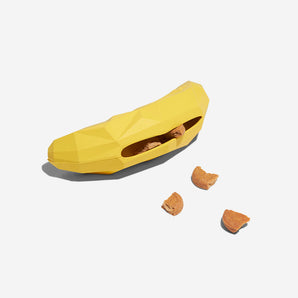
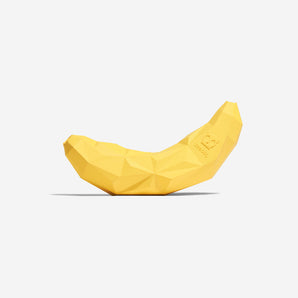
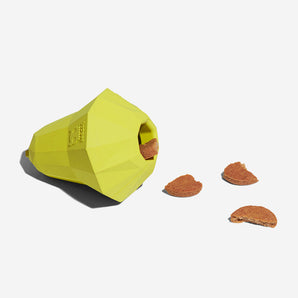









Chew Toys for Dogs and Teething Puppies
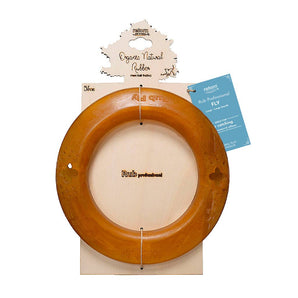
Dog chew toys give chewing an approved destination. That sounds straightforward until one dog gently mouths a felt ring and another approaches natural rubber like a demolition tender.
Choose by chewing style, size, material and intended use. A toy that suits a puppy, a moderate chewer or a food-focused licker may not suit a powerful adult chewer.
Types of Dog Chew Toys
Rubber and TPR Chew Toys
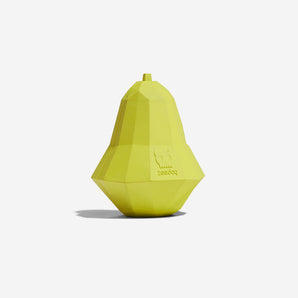
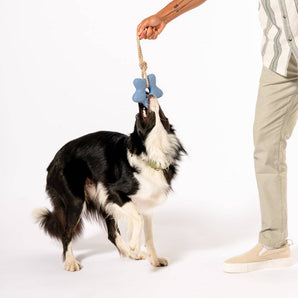
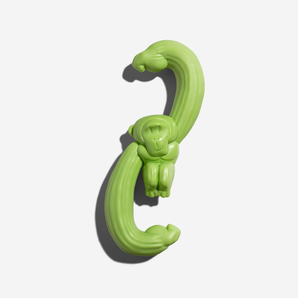
Rubber and thermoplastic rubber toys can flex, bounce or hold treats depending on the design. Some are made for chewing, while others are primarily fetch toys or dispensers. Read the individual use instructions.
Fillable and Freezable Chew Toys
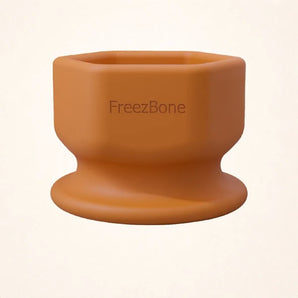
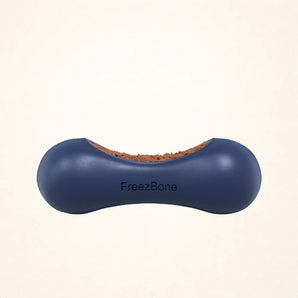
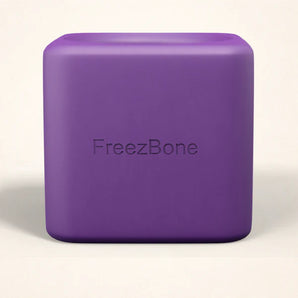
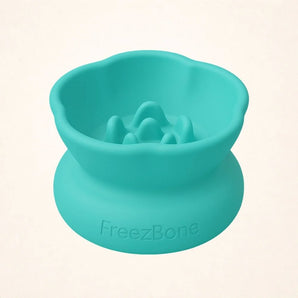
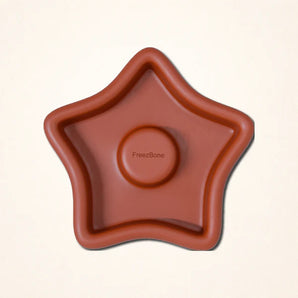
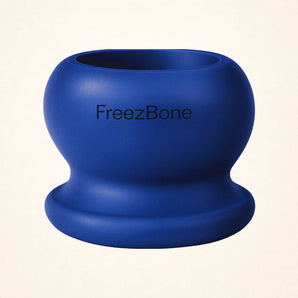
Grooves, cavities and openings can hold dog-suitable food for licking and working. Freezing may extend the activity when the product is freezer safe. Browse food enrichment toys for more fillable formats.
Felt and Wool Toys
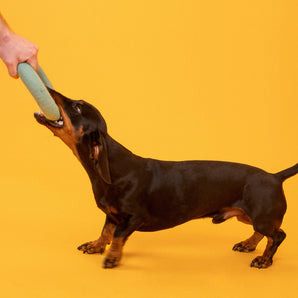
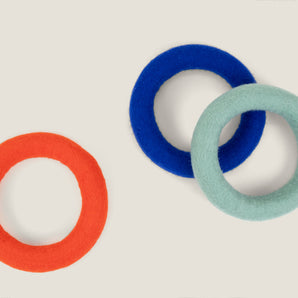
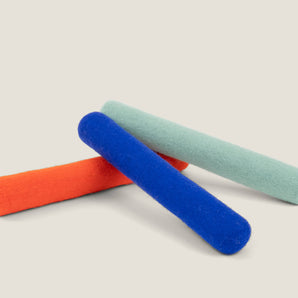
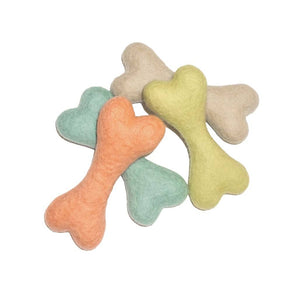
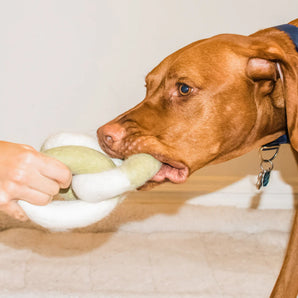
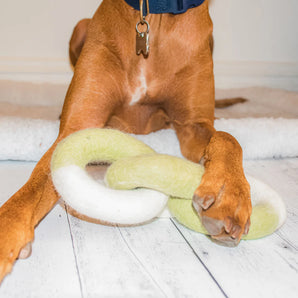
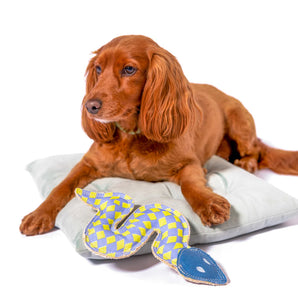
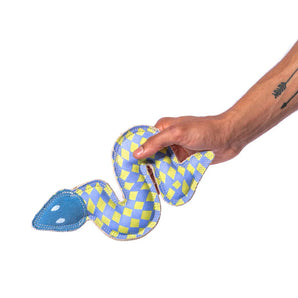
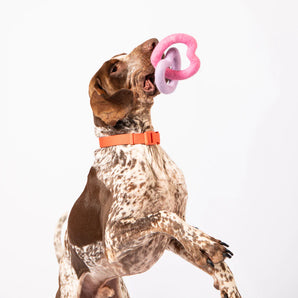
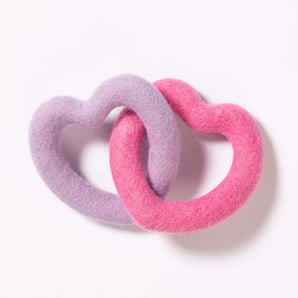
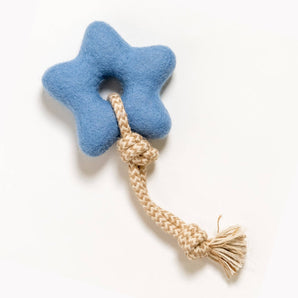
Felt and wool provide a different texture and can suit carrying, gentle chewing, fetch or tug depending on the shape. They are not designed as edible fibre and should be removed if the material loosens or tears.
Plant-based Composite Chews
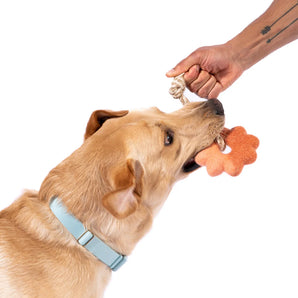
Some purpose-made chew toys use cellulose, vegetable oil, wood fibre or other composite materials. Follow the maker’s size and chewing-style guidance and do not assume every plant-based material is edible or suitable for every dog.
Puppy Teething Toys
Browse The Puppy Edit for puppy-focused options. Puppy chew toys should be appropriately sized and firm enough to be satisfying without being unnecessarily hard. Chilled or freezer-safe products can provide a different sensation when their instructions permit it. Supervise closely because puppy teeth and chewing habits change quickly.
Choose by Chewing Style
- Gentle mouthers: may enjoy softer rubber, felt, wool or textured shapes.
- Moderate chewers: often suit flexible rubber or TPR in the correct size.
- Strong chewers: need construction specifically intended for more forceful chewing. Browse the Strong Chewers collection, but still inspect every product.
- Food-motivated chewers: may prefer a compatible fillable toy that combines chewing with licking or treat release.
Chewing style matters more than breed labels. Watch what your dog actually does with the toy and adjust accordingly.
How Firm Should a Chew Toy Be?
A very hard toy can damage teeth, while a toy that is too soft may be destroyed and swallowed. Choose the firmness recommended for your dog’s size, age and chewing intensity.
If your dog has worn, fractured or sensitive teeth, or a history of dental treatment, ask your vet before introducing a firm chew toy. Marketing language is not a dental examination.
Chew Toys Are Not Edible Chews
A reusable chew toy is designed for play, even when it contains food-grade or plant-based materials. An edible chew is intended to be consumed. Follow the specific product instructions and do not let a dog swallow pieces of a toy unless the manufacturer explicitly addresses small wear particles.
For snacks intended to be eaten, visit dog chews and snacks.
Cleaning and Replacement
Wash the toy according to its material and care instructions. Food-filled toys need cleaning after use, and grooves or openings should be checked for residue.
Replace a chew toy when chunks come away, cracks deepen, edges become sharp, stuffing or internal parts appear, or the remaining piece becomes small enough to swallow.
Chew Toy Safety
No chew toy is indestructible. Supervise new toys, choose the correct size and remove damaged products promptly. A toy designed for chewing may still have limits, and a fetch toy, puzzle or enrichment feeder should not be treated as a chew toy unless its instructions say so.
Frequently Asked Questions About Dog Chew Toys
What is the safest chew toy for a dog?
There is no universally safest material. The right choice depends on size, age, dental condition, chewing intensity and how the dog uses it.
What chew toys are suitable for teething puppies?
Choose puppy-specific sizing and material guidance, avoid pieces that can be swallowed and supervise closely. Ask your vet if you are unsure about firmness.
Do chew toys clean dogs’ teeth?
Textured chewing may provide mechanical contact, but a toy does not replace tooth brushing, veterinary dental care or professional advice.
How do I know whether my dog is a strong chewer?
If ordinary toys are rapidly punctured, split or reduced to pieces, choose products specifically intended for stronger chewing and inspect them frequently.
Can I leave a chew toy with my dog?
Only if the product instructions permit it and you know how your dog uses that exact toy. New toys and powerful chewers need particularly close supervision.