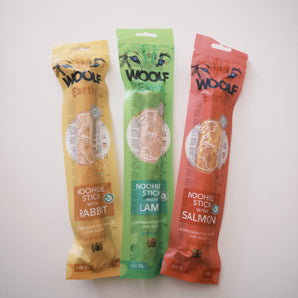
Natural dog chews give dogs something satisfying to work on. The right chew can provide a focused, rewarding activity, but size, texture and supervision matter more than promises about how many minutes of peace a packet contains.
This collection ranges from fish skin, dried animal chews and fur-on options to cheese chews, collagen-style rawhide alternatives and plant-based twists.
Choose a Dog Chew by Material
Fish Skin Chews
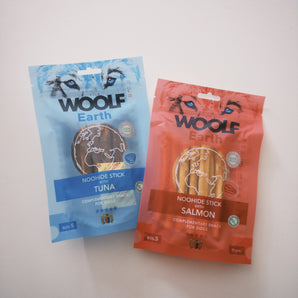
Dried cod skin fingers, rings and twists offer a distinct fish smell and a chewy texture. Check the size, choose a shape your dog can handle safely and keep the packet closed unless you would like the entire cupboard to smell extremely persuasive.
Single-Ingredient Dried Animal Chews
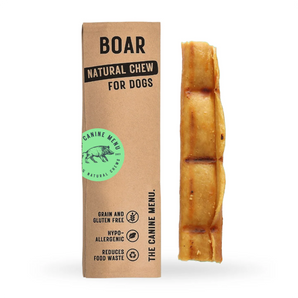
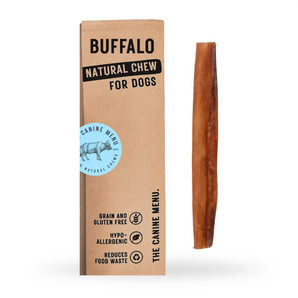
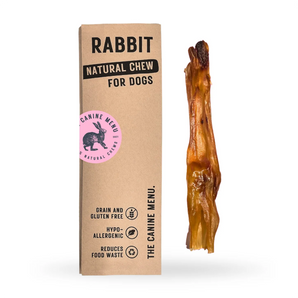
Skin, ears, ribs, necks and similar chews vary naturally in size, hardness and fat content. Read the product page carefully because one animal part is not interchangeable with another.
Fur-On Dog Chews
Fur-on ears, skin and legs are minimally processed choices for owners who prefer whole-animal-style chews. They are not a medical treatment or digestive cleanse. Select by ingredient, size and texture, then supervise the complete session.
Cheese Chews
Hard cheese chews come in sizes intended for different dog weights. Use the size guide on the product page, follow the age guidance and remove the final piece before it becomes small enough to swallow whole.
Rawhide Alternatives and Plant-Based Chews
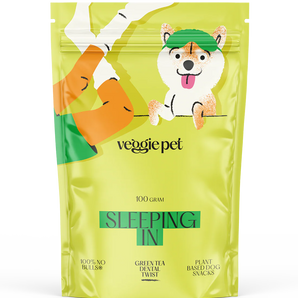
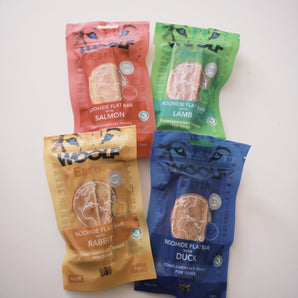
Collagen or gelatin-based chews and plant-based dog chews provide other textures. “Rawhide alternative” describes what a product is not. You still need to check what it is made from.
How to Choose the Right Size and Hardness
Choose a chew larger than your dog can swallow whole.
Match the hardness to your dog’s teeth, age and chewing style.
Use the manufacturer’s weight and age guidance.
Avoid very hard chews if your dog has dental problems or a history of broken teeth.
Ask a vet when you are unsure what texture is appropriate.
Small dog, large ambition is not a sizing system.
Single-Protein Chews and Food Sensitivities
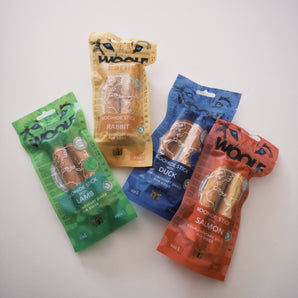
A clearly labelled single-ingredient chew can make it easier to avoid a particular animal protein. That does not make every natural chew hypoallergenic. Check the exact species, added ingredients and cross-contact information against your dog’s known needs.
Introduce a new chew gradually and stop if your dog develops digestive upset or another concerning reaction.
Supervise Every Chewing Session
No edible chew is risk-free or guaranteed to last a particular length of time. Stay close enough to intervene, especially with a new product or determined chewer.
Remove pieces that become small enough to swallow whole.
Discard sharp, splintered or heavily softened sections.
Do not let dogs compete over chews.
Keep fresh water nearby.
Follow storage instructions after opening.
Do Dog Chews Clean Teeth?
Chewing creates mechanical contact with teeth, and some products are designed with dental texture in mind. An edible chew does not replace tooth brushing, veterinary dental checks or treatment for existing dental disease.
Chewing gives dogs a focused job and can keep them occupied for a while. Duration varies with the chew and the dog, so choose for safe engagement rather than treating “long-lasting” as a legally binding promise.
The best result is a satisfied dog, an intact chew session and no emergency extraction of something from under the sofa.
Frequently Asked Questions
What are natural dog chews?
They are edible chews made from ingredients such as dried fish skin, animal skin, ears, cheese or other clearly listed materials.
How do I choose the right dog chew?
Match the ingredient, size and hardness to your dog’s body size, teeth, age, diet and chewing style. Follow the individual product guidance.
Are natural chews long-lasting?
Some take longer to finish than ordinary treats, but duration varies enormously. No edible chew has a guaranteed chewing time.
Can puppies have dog chews?
Browse The Puppy Edit for puppy-focused options. Choose only when the product’s age guidance, texture and size suit the puppy, ask a vet if you are unsure and supervise closely.
Are fur-on chews good for digestion?
Do not treat fur-on chews as a digestive remedy. Choose them based on product information and your dog’s tolerance, and speak to a vet about digestive concerns.
Are cheese chews suitable for every dog?
No. Check milk ingredients, age guidance, size and hardness. Dogs with dietary restrictions or dental problems may need another option.
When should I take a chew away?
Remove it when it becomes small enough to swallow whole, develops sharp edges, splinters or causes your dog difficulty.
Do chews replace brushing a dog’s teeth?
No. Some chewing may provide mechanical contact, but routine dental care and veterinary checks remain important.