The right dog toy depends less on what looks impressive on a shelf and more on what your dog actually enjoys doing. Some dogs want to chase. Some want to tug, sniff, lick, solve or carry one beloved plush object from room to room like middle management.
This collection brings those play styles together. Use it to compare dog toys by activity, material, size and difficulty, then choose something that gives your dog a clear and enjoyable job.
Choose a Dog Toy by Play Style
Chasing and Retrieving
Fetch toys include balls, rings and flying shapes made for repeated throw-and-return games. Choose a size your dog can carry comfortably and use a toy designed for the surface and distance involved.
Tugging Together
Tug and fetch toys add shared play to the return journey. Handles, long shapes and flexible rings give both ends of the conversation somewhere sensible to hold.
Sniffing and Searching
Nosework toys and snuffle mats hide food in fabric folds, pockets and compartments. Dogs use scent and careful investigation to find the reward.
Plush dog toys suit dogs who enjoy soft textures, squeakers, crinkle sounds or proudly carrying their latest acquisition around the house. They are not automatically suitable for dogs who dismantle soft toys at speed.
Chewing
Chew toys come in rubber, TPR, felt, wool and other purpose-made materials. Match the toy to your dog’s chewing intensity and inspect it regularly rather than trusting any promise of indestructibility.
Digging Pieces Out
Burrow toys hide small squeaky pieces inside a larger plush shape. They turn pulling, searching and resetting into a repeatable hide-and-seek game.
How to Choose Safe Dog Toys
Check the size: the whole toy and every removable piece should be too large to swallow.
Match the intensity: a gentle carrier and a determined destroyer need very different construction.
Read the intended use: a puzzle, fetch toy or enrichment feeder may not be designed for sustained chewing.
Consider the setting: soft toys can be kinder indoors, while water play needs a toy specifically described as floating.
Plan for cleaning: food toys, fabric toys and outdoor toys all have different care instructions.
Rotate Toys Without Turning the House into a Warehouse
A small rotation can make familiar toys interesting again. Keep a mix of activities, put some away and bring them back later. Rotation also makes it easier to notice damage, clean food-contact toys and choose the right activity for the day.
Toys add variety and mental or physical activity, but they do not replace walks, rest, training or time together. A puzzle during a nearby meeting and a proper play session later can both belong in the same routine.
Dog Toy Safety
Supervise play, especially with a new toy or a dog whose play style is still becoming clear. Check seams, squeakers, ropes, openings and surfaces before and after use. Remove the toy if pieces loosen, stuffing becomes exposed, the material cracks or the size is no longer safe.
No dog toy is indestructible. For more robust options, browse the Strong Chewers collection, but keep inspecting every product. If your dog has dental problems, a history of swallowing objects or an unusually powerful chewing style, ask your vet which materials and firmness are appropriate.
Frequently Asked Questions About Dog Toys
Which dog toy is best for boredom?
Choose an activity your dog understands and enjoys. Nosework, food puzzles and interactive toys can provide mental engagement, while fetch and tug add movement and shared play. Boredom is not one single problem with one single squeaky solution.
How many toys does a dog need?
There is no required number. A varied rotation of safe toys is usually more useful than a large pile of similar ones.
What toys are suitable for puppies?
Browse The Puppy Edit, then choose puppy-appropriate sizes and materials, keep the difficulty manageable and supervise closely. Replace toys as the puppy grows or the chewing style changes.
Can dogs play with toys alone?
Only when the product instructions and your knowledge of the dog make that appropriate. Many toys still require active supervision, particularly those with food, fabric, squeakers or removable pieces.
Are tough dog toys indestructible?
No. Tougher construction may suit stronger play, but every toy needs inspection and timely replacement.



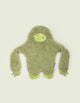
 Puff And Play Toy (4 Nuggets Included) €24,95 /Yeti | BlueYeti | PinkYeti | GreenYeti | OrangeYak | BlueYak | YellowYak | PurpleYak | OrangeAvailable in 8 colors


 Zogoflex Toppl From €28,95 /Aqua BlueGranny Smith GreenTangerine OrangeLimited Edition LavenderAvailable in 4 colors






 Felt Balls - Set of 2 €15,95 /Risa & Kuno (Yellow & Brown)Fine & Isa (Mint & Blue)Mats & Marla (Orange & Lilac)Available in 3 colors


 The Odin - Modern Interactive Dog Puzzle Toy €24,95 /Rose QuartzLight GreySlate GreyPowder BlueLavender PurpleAvailable in 5 colors