Interactive Dog Toys for Sniffing, Thinking and Doing
Interactive dog toys give dogs a task instead of simply placing an object in the room and hoping entertainment happens. They can sniff for hidden treats, slide puzzle parts, roll a dispenser, forage through fabric or play a guided brain game with you.
That makes them useful when your dog needs a rewarding job while you work through a meeting nearby, on a rainy afternoon or after a walk that exercised the legs but left the brain requesting a follow-up appointment.
Types of Interactive Dog Toys
Nosework Toys
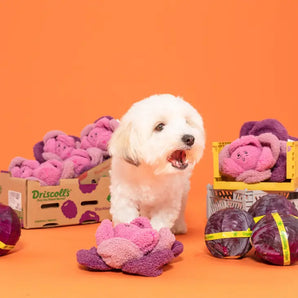
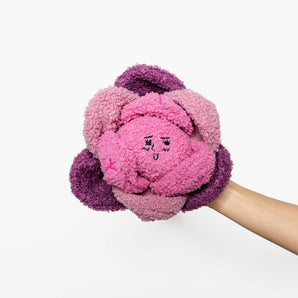
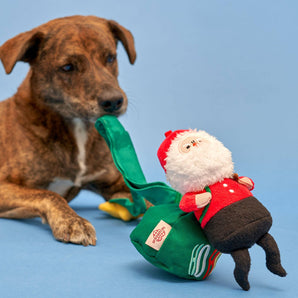
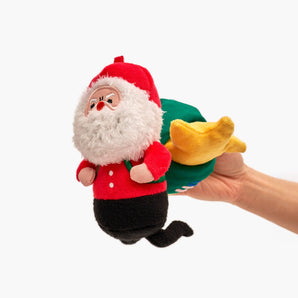
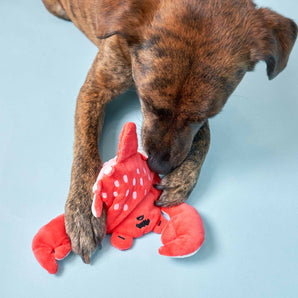
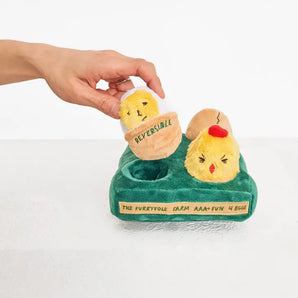
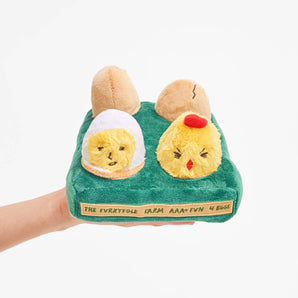
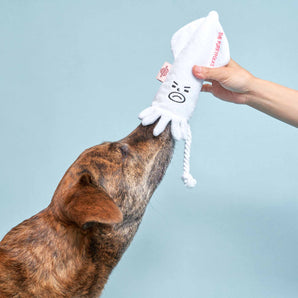
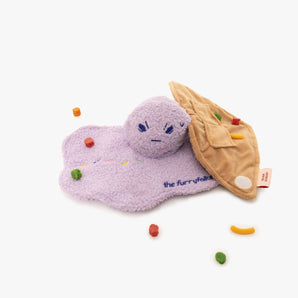
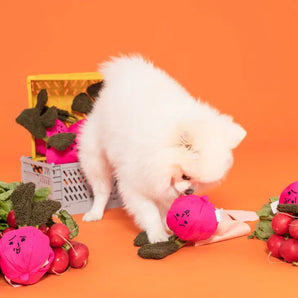
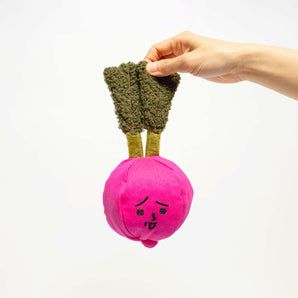
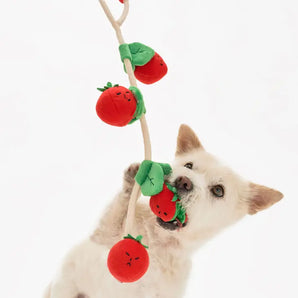
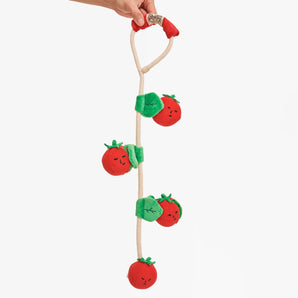
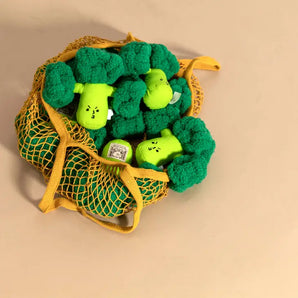
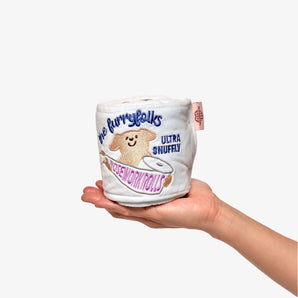
Soft nosework toys hide treats inside pockets, folds and removable pieces. Dogs use scent and careful investigation to find them. Begin with treats partly visible before rolling, fastening or closing the toy more securely.
Snuffle Mats
A snuffle mat spreads food through fabric sections so dogs search with their nose. It can make part of a meal slower and more involving, provided the mat is used under supervision and not treated as a fabric chew.
Sliding Dog Puzzles
Boards with lids, sliders or compartments ask dogs to move parts in a particular way. Start with one easy section and add difficulty only after your dog understands how rewards appear.
Treat Dispensers and Fillable Toys
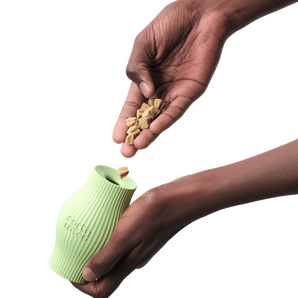
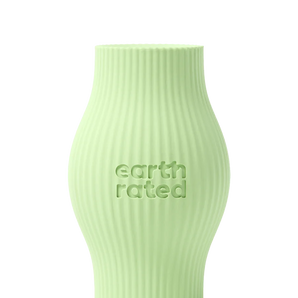
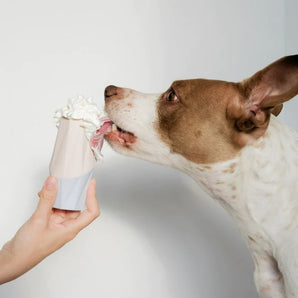
Rolling dispensers release dry treats through movement. Small dog training treats can work in compatible dry dispensers when their size and texture let them move through the opening. Fillable toys hold suitable wet food or prepared treats for licking and working. Match the food, opening and difficulty to the individual product.
Brain Games You Play Together
Activity cards and guided games turn everyday objects, scent work and simple cues into shared enrichment. Interactive does not have to mean electronic or complicated. Sometimes it means you have instructions and the dog has opinions.
Interactive Toys as Mental Exercise
Searching, nudging, sliding, rolling and working out where food is hidden create practical mental activity. The challenge gives dogs something to do and offers a clear, rewarding finish when they solve it.
This can keep a dog constructively occupied for a while, but it is not a replacement for walks, social contact, rest or training. Stay nearby, especially with a new toy or a dog who may chew the material.
How to Introduce a New Interactive Toy
Choose a quiet space and a familiar treat.
Make the first reward easy to see, smell and reach.
Demonstrate one movement if your dog needs help.
Let your dog investigate without repeatedly moving their paws for them.
Stop while they are still interested and increase difficulty next time.
A successful first session should feel almost suspiciously easy. Confidence comes before complexity.
Watch for Frustration
Healthy effort includes sniffing, pawing, nudging and trying another approach. Persistent barking, frantic biting, guarding, walking away or repeatedly asking you for help can mean the task is too difficult.
Open more pockets, use smaller treats, loosen a closure or return to an easier stage. The aim is problem-solving, not an unpaid internship in advanced engineering.
Choose by Dog and Play Style
Fast eaters: consider snuffle mats, slow-search toys or dispensers that release food gradually.
Scent-led dogs: choose layered nosework toys with several hiding places.
Persistent problem-solvers: try sliders or modular dispensers with adjustable difficulty.
Lickers: select a suitable fillable toy and use a dog-safe filling.
Fabric chewers: use soft toys only with very close supervision or choose a more suitable material.
Safety and Cleaning
Supervise every new toy and follow the manufacturer’s use guidance.
Choose a size that cannot be swallowed.
Remove the toy when fabric tears, parts loosen or damage exposes sharp edges.
Use only dog-suitable food and count it towards daily intake.
Empty hidden pockets and wash or rinse according to the care instructions.
Dry fabric toys completely before storage.
No toy is indestructible, and a puzzle toy is not automatically a chew toy.
They are toys that respond to a dog’s actions or require active investigation, such as nosework toys, snuffle mats, sliders, dispensers and guided brain games.
Do interactive toys provide mental stimulation?
They can. Searching, moving parts and solving food-based tasks create practical mental activity when the difficulty suits the dog.
Can I use an interactive toy during a meeting?
Yes, choose a familiar supervised toy and stay nearby. Do not use a new or easily damaged product when your attention cannot be shared.
How difficult should a dog puzzle be?
Start easy enough for quick success. Increase difficulty gradually after your dog understands the required movement.
Are snuffle mats suitable for meals?
They can hold part of a suitable dry meal when the product instructions allow it. Supervise use and count the food served.
Can interactive toys calm dogs?
Focused sniffing or licking may feel settling for some dogs, but no toy guarantees calmness or treats anxiety. Individual responses vary.
How often should I rotate interactive toys?
Rotate when interest drops or when you want to practise another skill. Familiar toys can still be useful when you change the hiding place or difficulty.
Are interactive toys safe for strong chewers?
Only when the material and product guidance suit that dog. Browse the Strong Chewers collection when tougher construction is the priority, supervise closely and remove damaged toys immediately.


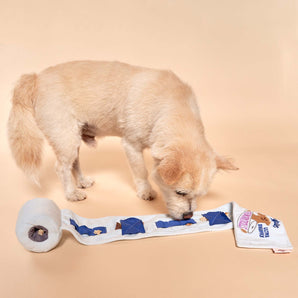
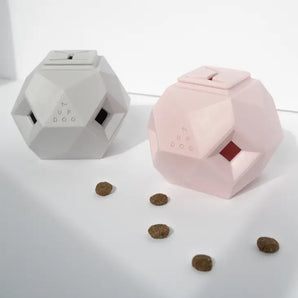
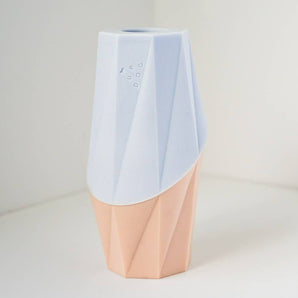
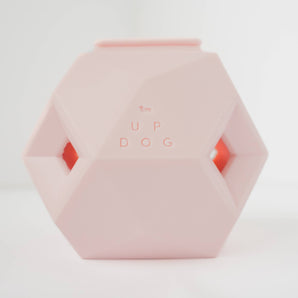 The Odin - Modern Interactive Dog Puzzle Toy €24,95 /Rose QuartzLight GreySlate GreyPowder BlueLavender PurpleAvailable in 5 colors