Training Treats





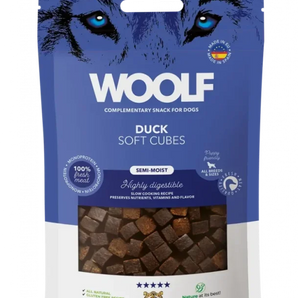

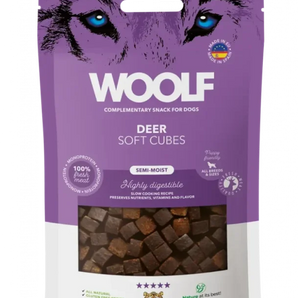

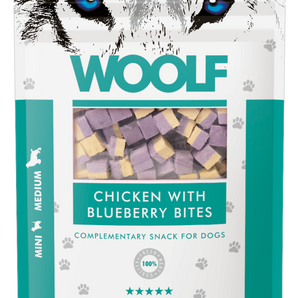


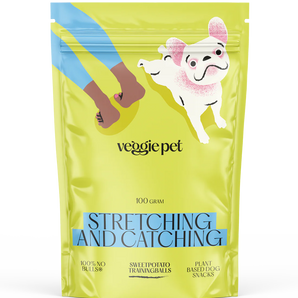





Dog Training Treats for Clear, Rewarding Practice
Dog training treats turn a useful choice into something worth repeating. The best reward is small enough to give often, quick to eat and interesting enough to compete with a suspicious leaf, another dog or the general thrill of being outside.
Use them for recall, puppy training, loose-lead practice, cooperative care or everyday manners. Good behaviour deserves a benefits package.
What Makes a Good Dog Training Treat?
- Small portions: tiny treats let you reward frequently without losing count after three minutes.
- Quick to eat: a reward should not interrupt the exercise with a full chewing intermission.
- Easy to carry: choose a texture that works in a pocket, tin or treat pouch.
- Motivating: your dog decides what is high value. The packaging does not get a vote.
- Suitable ingredients: check proteins, grains and other ingredients against your dog’s individual needs.
Choose Training Treats by Texture
Soft Training Treats
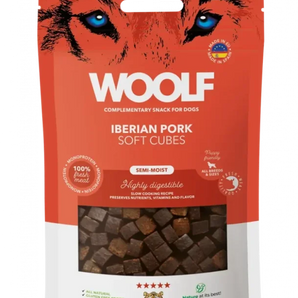
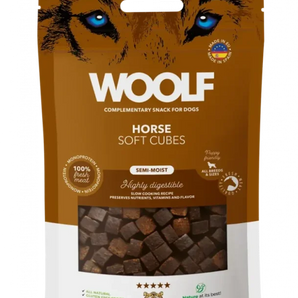
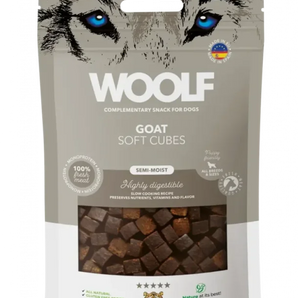
Soft cubes and bakes are easy to portion and quick to eat. They work well when you need a smooth rhythm, such as recall practice or teaching several repetitions in a row.
Small Crunchy Biscuits
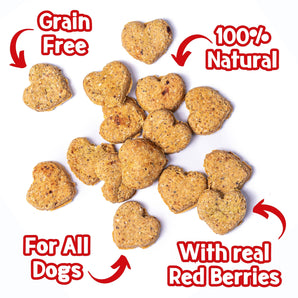
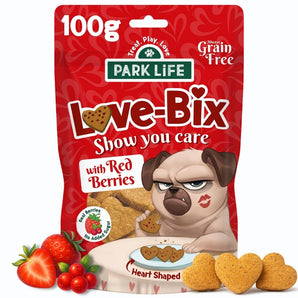
Firm biscuits suit lower-intensity rewards, treat tins and dogs who enjoy a little crunch. Break larger pieces when the product allows and count every piece towards the daily treat portion.
Natural Fish and Meat Treats
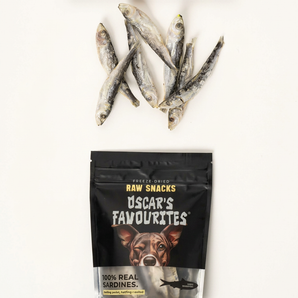
Single-ingredient fish or meat can be a strong-smelling, high-value reward. Check the ingredient label and choose pieces that are safe for your dog to chew and swallow at the pace of the exercise.
Plant-Based Training Treats
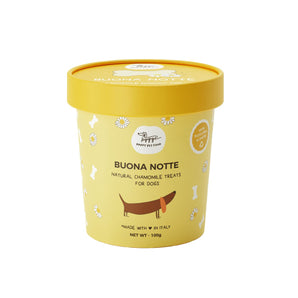
Plant-based dog treats offer meat-free rewards and may suit dogs who need to avoid certain animal proteins. Plant-based does not automatically mean allergen-free, so read the complete ingredient list.
Use a Reward Ladder
Not every task needs the most exciting snack in the building. Use familiar treats for easy work at home and save higher-value rewards for difficult environments, new skills or a recall that had to compete with something genuinely fascinating.
Rotate a few textures and flavours to learn what your dog values. If motivation drops, the task may be too difficult, the environment too distracting or the reward simply not worth the paperwork.
Training Treats for Puppies
Browse The Puppy Edit for puppy-focused options. Choose puppy training treats that match the age guidance on the label and are small enough for your puppy. Begin with simple exercises, use tiny portions and build repetitions gradually. Puppies have small bodies and surprisingly ambitious snack agendas.
Introduce new ingredients one at a time. Speak to a vet if your puppy has digestive problems, suspected allergies or a diet that needs careful management.
Portions Still Count During Training
Training treats are complementary food, not a complete diet. Keep rewards as a modest part of the daily intake and reduce the normal meal portion when a session uses a larger number of treats. You can also use part of your dog’s regular meal when it is motivating enough.
Keep fresh water nearby, especially during active outdoor training. Store treats according to the label and close soft or moist products carefully after opening.
Training Treat Safety
- Check the full ingredient list for known allergies and intolerances.
- Choose a size and texture your dog can eat safely without gulping a large piece.
- Supervise new treats and introduce unfamiliar ingredients gradually.
- Do not use human sweets, chocolate or products containing xylitol.
- Stop and contact a vet if your dog develops a concerning reaction.
Explore the wider dog treats and snacks collection for chewing, enrichment and special-occasion options.
Why Good Training Treats Make Practice Easier
A well-chosen reward keeps the exercise moving. It is easy to deliver, quick to finish and valuable enough to tell your dog, clearly and immediately, that the choice they just made was excellent.
The treat is not a bribe for having ears. It is useful information with flavour.
Frequently Asked Questions
What are the best dog training treats?
The best option is small, quick to eat, motivating and suitable for your dog’s diet. Value is individual, so test a few safe textures and flavours.
How small should training treats be?
Use the smallest practical piece that still motivates your dog and can be eaten safely. The right size depends on the dog and the treat.
Can puppies have training treats?
Yes, when the label’s age guidance, ingredients, size and texture suit the puppy. Use tiny portions and introduce new treats gradually.
Can I use kibble for training?
Yes. Part of a normal meal can work for familiar exercises in a low-distraction setting. More difficult tasks may need a higher-value reward.
Are soft or crunchy treats better for training?
Soft treats are often quicker to eat, while small crunchy treats can work well for lower-intensity rewards. Choose what keeps your individual dog engaged.
How many training treats can I give?
Keep treats as a modest part of the daily intake and account for every reward. Ask a vet for personalised advice if your dog has weight or dietary concerns.
What are high-value dog treats?
They are rewards your dog finds especially motivating. Reserve them for difficult skills, distracting environments or particularly important responses.
What if my dog stops taking treats?
Your dog may be full, worried, tired or overwhelmed by the environment. Make the task easier, create more distance from distractions or pause the session.