Eat





Dog Treats, Feeding Accessories and Better Things to Do with Dinner
Eat is where snacks, toppers, frozen mixes, enrichment toys, bowls and food accessories meet. Some products reward a very good sit. Others turn breakfast into a project with deliverables.
Choose by purpose first: training, chewing, topping, licking, searching, slower feeding or making something at home. Then check the individual ingredients, instructions and serving guidance.
Shop by Feeding Goal
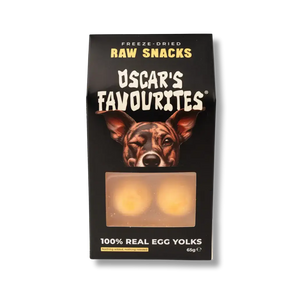
Training and Everyday Rewards
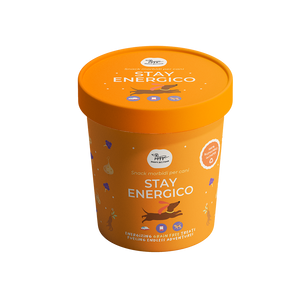
Small training treats are useful when you need frequent rewards without a lengthy chewing intermission. For broader flavours, textures and occasions, explore dog treats and snacks.
Chewing
Dog chews vary in hardness, size, ingredients and eating time. Match the chew to the individual dog, supervise every session and remove small ends or sharp pieces.
Toppers and Supplements
Toppers and supplements can add flavour, texture or a specific ingredient to a meal. Follow the label, avoid stacking products with overlapping ingredients and ask a vet before using supplements for a medical concern.
Food Enrichment
Food enrichment uses licking, sniffing, rolling, nudging and searching to make food more involving. Choose a format your dog can use successfully and remove it if the activity turns into chewing the feeder itself.
Slow Feeding and Licking
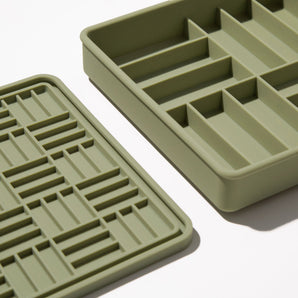
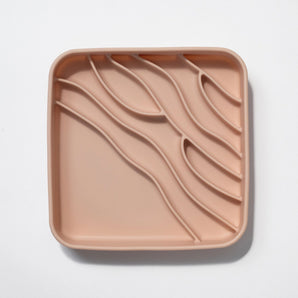
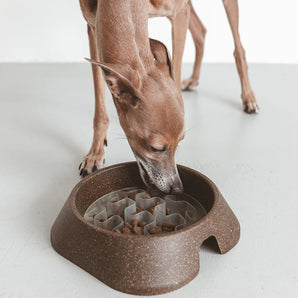
Slow feeders and lick mats spread food across grooves, patterns or compartments. They can make a meal take more interaction and give the dog something practical to do, but they do not replace supervision or veterinary advice for eating or digestive problems.
Frozen Treats and Homemade Portions
Dog-safe frozen mixes and dog ice cream create an occasional snack or enrichment filling. Use food accessories such as silicone treat moulds for measured portions and check every ingredient before freezing.
Bowls and Feeding Equipment
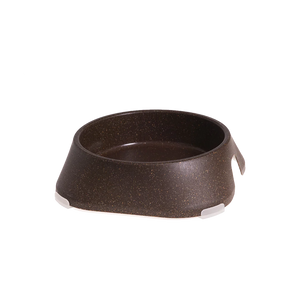
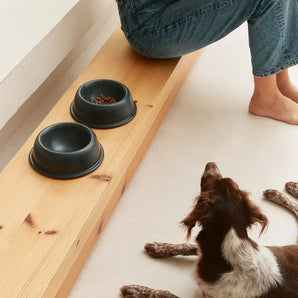
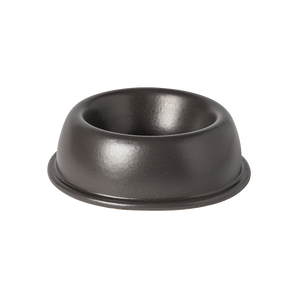
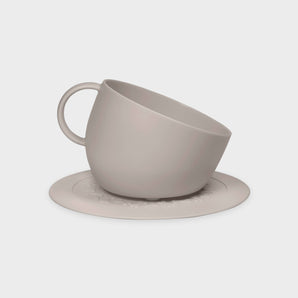
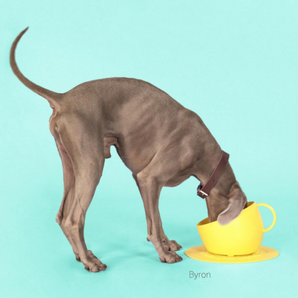
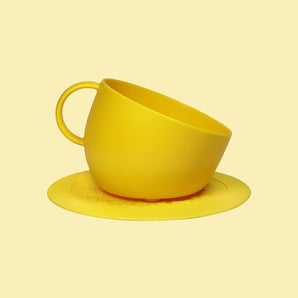
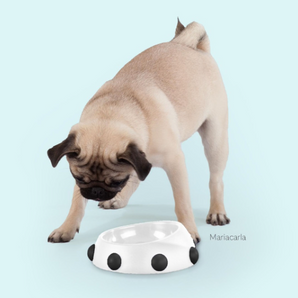
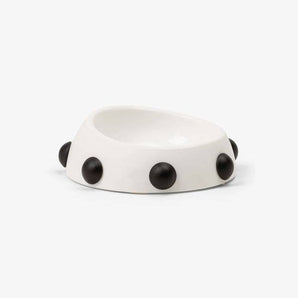
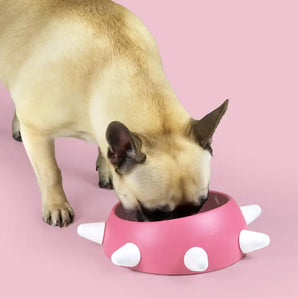
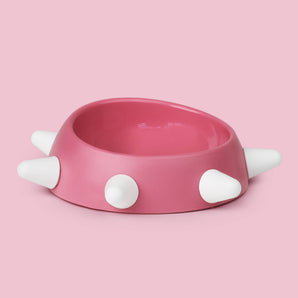
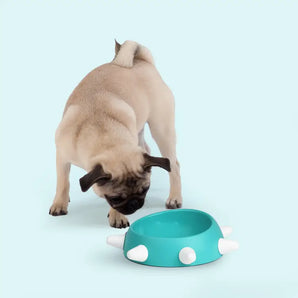
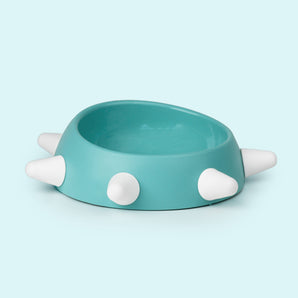
Choose dog bowls by capacity, material, shape, stability and cleaning method. Travel bottles combine water storage and drinking access for days out. Enrichment feeders need extra attention to openings, moving parts and wear.
Read the Product, Not Just the Front Label
- Ingredients: check animal proteins, dairy, cereals, fats, flavourings and any known sensitivities.
- Purpose: distinguish complete food, complementary food, treats, supplements and non-edible feeding tools.
- Serving guidance: follow the maker’s portion and preparation instructions.
- Compatibility: make sure food pieces move freely through dispenser openings and that wet food is permitted for the product.
- Supervision: monitor chews, enrichment toys and unfamiliar foods.
Treats, toppers and supplements do not automatically provide complete nutrition. Keep the dog’s main diet, body size, other snacks and individual needs in view. A label is more useful than a hopeful guess performed beside the snack cupboard.
Frequently Asked Questions About Dog Treats and Feeding Accessories
Can treats replace a dog’s regular food?
No, unless the product is explicitly labelled as complete food and is fed according to its instructions. Most treats, toppers and supplements are complementary.
What can I put in a food-enrichment toy?
Use food that suits the dog and the product. Dry dispensers need pieces that move freely; fillable toys may permit wet food or soaked kibble. Check the opening and instructions before filling.
How do I introduce a new dog treat?
Start with a small portion and monitor the dog. Introduce one unfamiliar ingredient at a time when sensitivities are a concern.
Do frozen treats cool an overheated dog?
They can be enjoyable, but they do not treat overheating. Dogs still need water, shade and a cool resting place. Suspected heatstroke requires urgent veterinary care.