Collars


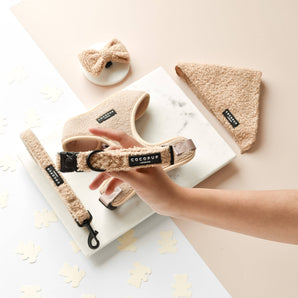


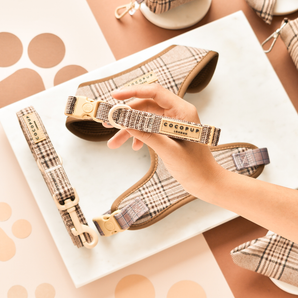


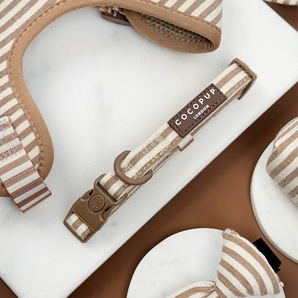





Dog Collars That Fit Properly and Look Like They Meant It
A dog collar should sit securely, feel comfortable and leave enough room for normal movement. The print can express the dog’s personality. The fit handles the serious work.
Choose by measured neck size, width and construction rather than breed alone. Two dogs with the same dramatic family history can still need different sizes.
How to Measure for a Dog Collar
- Measure around the part of the neck where the collar normally sits.
- Keep the tape close without pulling it tight.
- Compare the measurement with the individual product’s size chart.
- Choose a size that keeps the measurement comfortably within the adjustment range.
- Check the fit again after adjusting the collar on the dog.
A common starting point is enough room for two fingers under the collar, but body shape, coat and product design differ. The collar should not slide over the head or restrict breathing and movement.
Choose the Right Collar
Width and Size
Collar width often increases with size. A narrow XS collar feels different from a wider large collar even within the same design. Check both neck range and width, especially for small dogs and puppies.
Materials and Padding
Look at the fabric, lining, padding and care instructions. Some collars use neoprene padding for a softer feel; other designs use polyester or woven fabrics without the same construction. Material alone does not determine fit.
Buckles, Adjustment and D-Rings
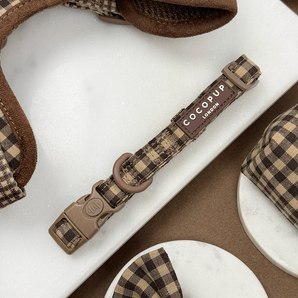
Check that the buckle closes fully, the adjustment slider holds and the D-ring is intended for leash attachment. Keep identification attached without crowding the buckle or leash ring.
Patterns and Matching Leashes
Once the size works, choose the print. Coordinating dog leashes are useful when the hardware and handling needs also match, not merely because the cow print has excellent personal branding.
Dog Collars for Puppies
Puppies grow quickly, so check the collar every few days during rapid growth. Choose a lightweight, appropriately sized design, supervise new equipment and replace it when the adjustment range becomes too small. Browse The Puppy Edit for puppy-focused options.
Collar Safety and Care
Inspect the buckle, D-ring, adjustment slider, stitching and fabric regularly. Replace the collar if hardware cracks or bends, stitching opens, or the material becomes thin or damaged. Follow the product’s washing instructions and let it dry completely before use.
A walking collar is not a tie-out device. Consider snag risks during unsupervised play or rest and remove the collar when the environment or product guidance calls for it.
Frequently Asked Questions About Dog Collars
How tight should a dog collar be?
It should be secure without restricting breathing or movement. Use the product’s fit guidance and check that the collar cannot slip over the head.
How often should I check a puppy’s collar?
Very frequently during growth, often every few days. Also recheck after grooming or major coat changes.
Can every collar be used for walking?
No. Check whether the product includes an attachment point intended for a leash and whether its size and construction suit the dog.
When should I replace a dog collar?
Replace it when the fit is no longer correct or when the buckle, ring, stitching, adjustment or fabric becomes damaged.