
Leashes


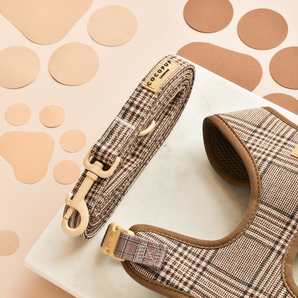

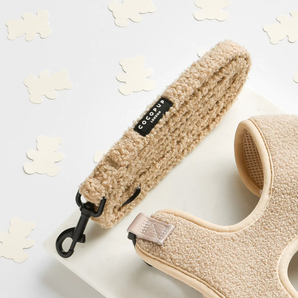

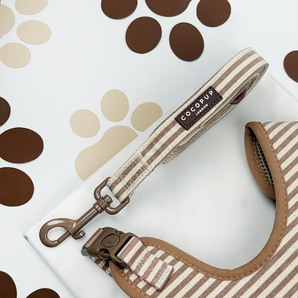

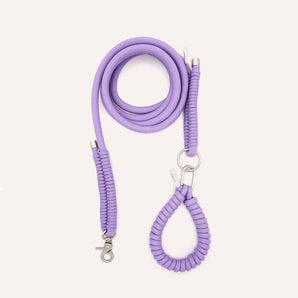

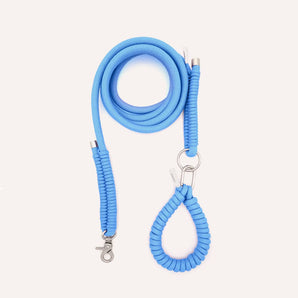


Dog Leashes for Everyday Walks, Hands-Free Routes and More Room
The best dog leash is not simply the longest, shortest or most technically accessorised one. It is the leash that gives you a secure grip, suits the route and provides an appropriate amount of room for the dog in front of you.
Choose the configuration before the colour. Then choose the colour with unreasonable commitment.
Types of Dog Leash
Standard Everyday Leashes
A fixed-length leash keeps the handling straightforward. Compare the handle, width, clip, material and accessory ring. Some designs use padded handles, while others use rope or braided structures for grip.
Hands-Free Dog Leashes
A hands-free dog leash may be worn around the waist or across the body when designed for it. The Zee.Dog Hands-Free Leash adjusts from 93 to 239 cm and can also be configured as a longer leash. Check the adjustment range and locking system for each design.
Double-Ended Leashes
Two clips and several rings create different configurations. A double-ended leash may connect to two approved attachment points or form a handle or hands-free loop when its instructions permit it. Check the listed length, maximum load and setup before use.
Longer Leashes
A longer fixed leash gives more room for sniffing and exploration in a suitable open environment. It also needs more active handling. Keep slack away from legs, roads, cyclists and other dogs, and shorten your hold before entering a busy area.
Lighted Leashes
An integrated light can improve visibility and help with practical jobs after dark. It does not replace reflective clothing, route awareness or secure handling.
How to Choose a Dog Leash
- Length: match the route, training stage and amount of space the dog can use safely.
- Grip: consider handle padding, rope texture and how easily the material moves through your hand.
- Hardware: inspect the clip, swivel, rings, locks and adjustment points.
- Dog and handler: account for size, strength, movement and how the leash will be held.
- Attachment: connect only to a suitable dog collar or harness attachment point.
Leash Safety and Care
Keep the leash in your hand or wear it only in a configuration intended by the manufacturer. Do not wrap it tightly around your hand, fingers or the dog. Avoid letting long lines drag through crowded areas or around legs.
Inspect stitching, rope, clips, rings, locks and adjustment hardware before use. Replace the leash if fibres fray, stitching opens, hardware bends or a closure stops working reliably. Follow the product’s cleaning instructions and dry metal hardware promptly.
Frequently Asked Questions About Dog Leashes
What leash length is best for daily walks?
A moderate fixed length suits many ordinary routes, but the right choice depends on the environment and handling needs. Longer is not automatically more freedom when the pavement is busy.
Are hands-free dog leashes suitable for pulling dogs?
Not automatically. Consider the dog’s training, size, force and the product’s instructions. Hands-free walking still requires active attention and control.
What leash should I use for a puppy?
Choose a lightweight leash and secure hardware sized for the puppy. Keep sessions manageable, check the fit of all equipment frequently and browse The Puppy Edit for puppy-focused options.
Can I attach accessories to a leash?
Only at an appropriate accessory ring or attachment point. Do not crowd the main clip or add weight that interferes with handling.