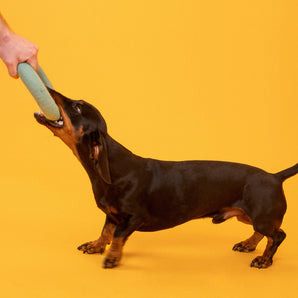
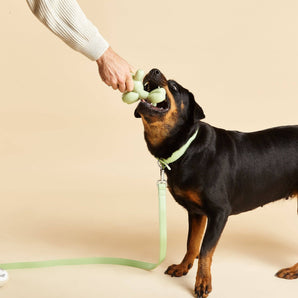
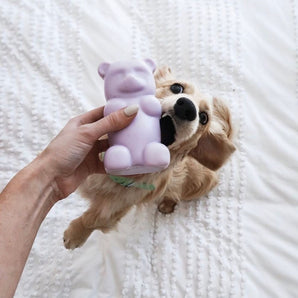
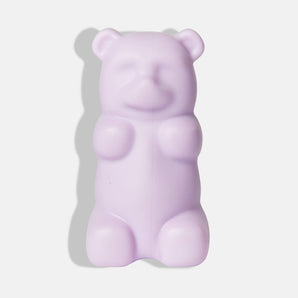
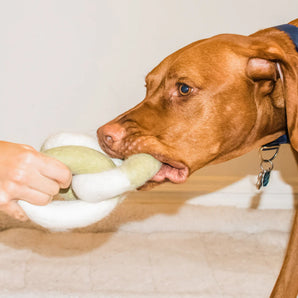
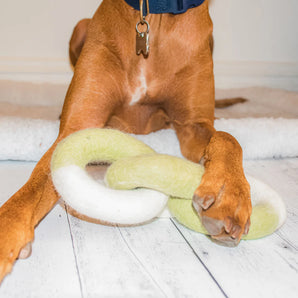
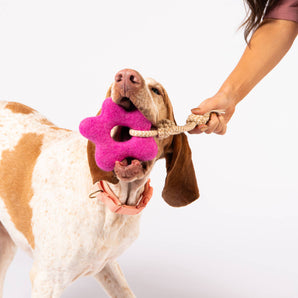
Tug and fetch toys do more than travel from one end of the room to the other. Rings, long shapes, flexible rubber and fabric toys make the return part of the game, because bringing the toy back can earn a short round of tug.
That combination is useful for dogs who enjoy interaction more than endlessly depositing a ball at your feet with the urgency of a tax deadline.
What Makes a Good Tug and Fetch Toy?
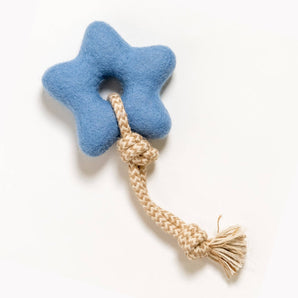
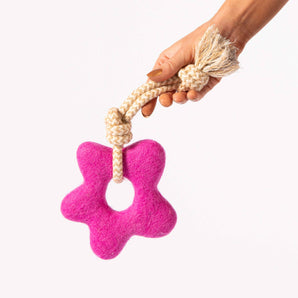
Space for two grips: a ring, handle or longer shape gives hands and teeth separate working areas.
Easy to carry: the toy should suit your dog’s mouth without being small enough to swallow.
Suitable flexibility: choose a material that feels comfortable during pulling and landing.
Visible shape: bright colours or a larger outline help during outdoor retrieves.
Clear play purpose: check whether the toy is designed for tug, fetch, chewing or a combination.
Choose by Shape and Material
Rings and Handled Toys
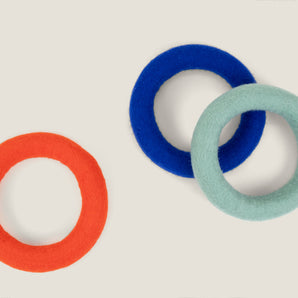
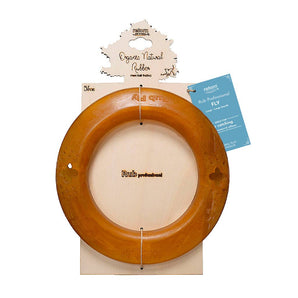
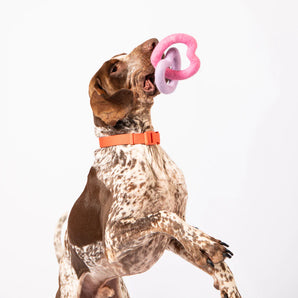
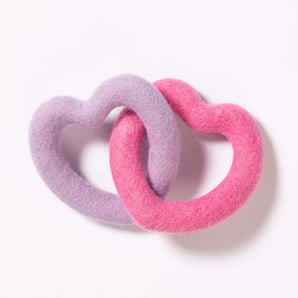
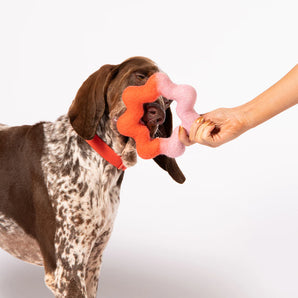
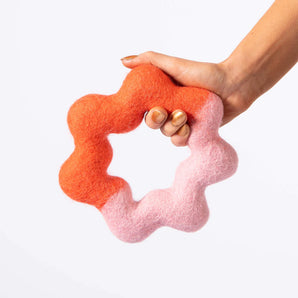
Rings create natural grip points for tug and are easy to roll or toss. Finger grooves or inner handles can give you more control, but keep fingers away from your dog’s bite area.
Long Fabric and Canvas Toys
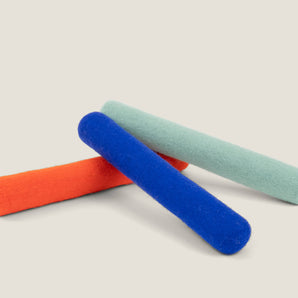
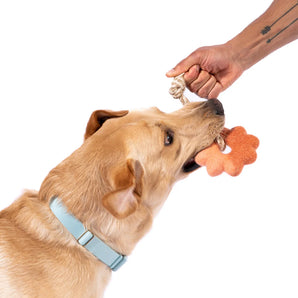
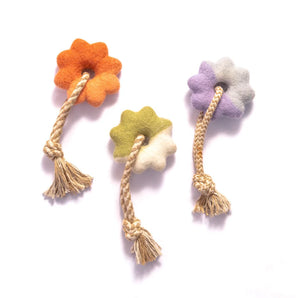
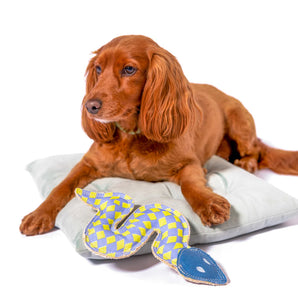
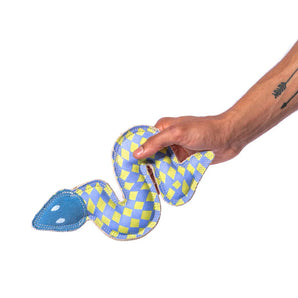
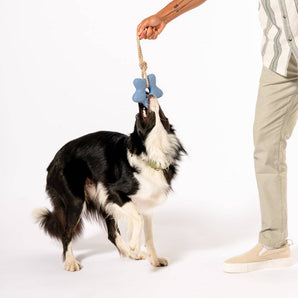
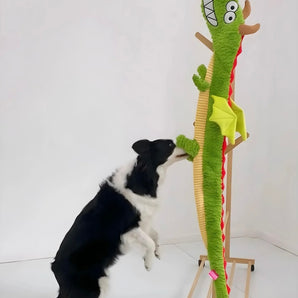
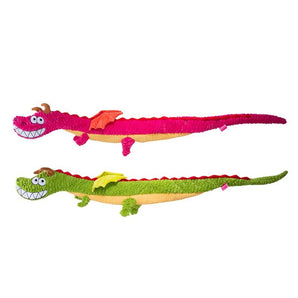
Long plush, felt or canvas shapes offer distance between hand and mouth. They suit shaking, carrying and cooperative tug when the product is made for that style of play.
Flexible Rubber Toys
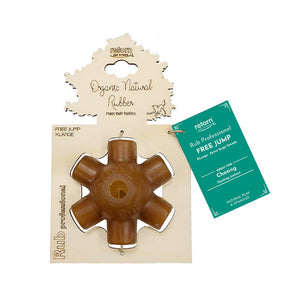
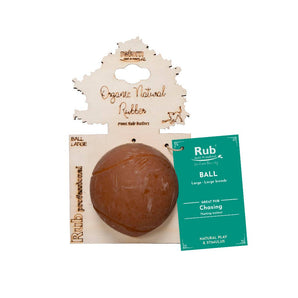
Rubber and TPR shapes can bounce, float or flex depending on the design. Check the individual material, size and care instructions rather than treating every rubber toy as indestructible.
Unpredictable Fetch Shapes
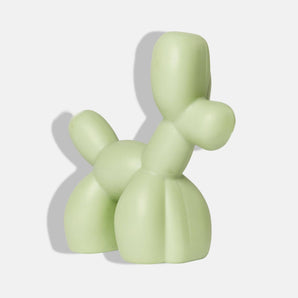
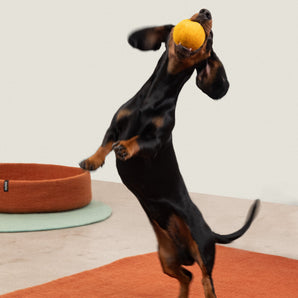
Some toys bounce or change direction when thrown. Use them in open space and keep the game controlled, especially with dogs who launch first and review the route later.
How to Play Tug with Clear Rules
Invite the game with a consistent cue.
Let your dog grip the intended part of the toy.
Move the toy side to side at a comfortable height rather than jerking sharply upwards.
Pause if teeth touch skin or your dog becomes too excited to respond.
Practise a release cue by trading for a treat or immediately restarting the game.
Growling during play can be normal, but watch the whole body. Loose movement and voluntary pauses look different from stiffness, guarding or conflict.
Turn the Return into the Reward
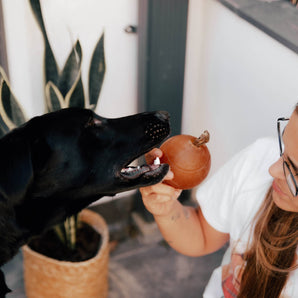
For dogs who love chasing but not handing over the toy, use tug as payment for bringing it back. Start with a short throw, praise the return and play for a few seconds before asking for another release.
This creates a cooperative loop: fetch, return, tug, release, repeat. Nobody needs to pursue the dog around the coffee table.
Tug and Fetch Safety
Choose a size your dog cannot swallow whole.
Inspect seams, handles and surfaces before every session.
Keep movements low and controlled.
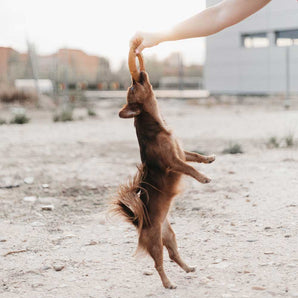
Do not lift or swing a dog by the toy.
Supervise play between dogs and prevent competition over one toy.
Stop if your dog shows pain, limping, breathing difficulty or unusual reluctance.
Ask a vet about suitable play for puppies, seniors or dogs with dental, neck, back or joint problems.
Interactive Toy, Not Automatic Chew
A tug toy is designed for shared action unless its product page also describes it as a chew toy. Put it away after the game if your dog is likely to pull off fabric, open seams or bite through handles while unsupervised.
Wash and dry according to the product instructions. Felt, natural canvas, plush and rubber need different care. Let water toys dry fully and replace anything with exposed stuffing, sharp edges or loose pieces.
Frequently Asked Questions
Is tug of war good for dogs?
It can be an enjoyable form of shared play when the dog is comfortable, the toy is suitable and movements remain controlled.
Does tug make dogs aggressive?
Appropriate tug play does not automatically cause aggression. Use clear cues, watch body language and stop if the interaction becomes tense or unsafe.
What is the best shape for a tug toy?
Rings, handles and longer toys provide separate grip areas. The best choice depends on your dog’s size, mouth and preferred play style.
Can a tug toy also be used for fetch?
Yes, when the product is designed for throwing and retrieving. Check its weight, shape and intended use before throwing it.
Should I let my dog win at tug?
Yes, letting your dog take the toy can keep the game rewarding. Practise returning and releasing through trades and repeated play.
Can puppies play tug?
Use a lightweight, appropriately sized toy and gentle movement. Browse The Puppy Edit for puppy-focused options, avoid hard pulling and ask a vet if there are dental or joint concerns.
Why should tug movements stay low?
Low, controlled side-to-side movement avoids lifting the dog or putting unnecessary force through the neck and spine.
When should I replace a tug toy?
Replace it when seams split, stuffing appears, handles weaken or the material develops sharp or swallowable pieces.


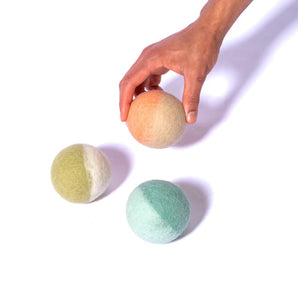
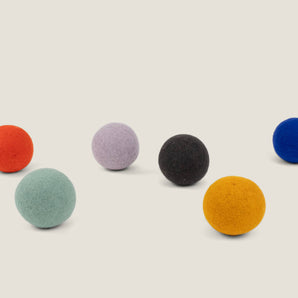 Felt Balls - Set of 2 €15,95 /Risa & Kuno (Yellow & Brown)Fine & Isa (Mint & Blue)Mats & Marla (Orange & Lilac)Available in 3 colors