A good walking setup keeps the dog secure, the useful things within reach and your pockets free from loose biscuits. Start with what your dog needs, then build around the kind of walks you actually take.
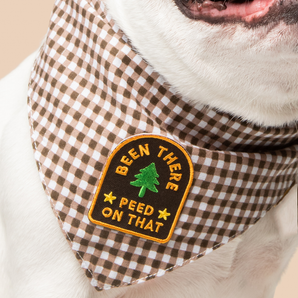
That might mean a comfortable leash and properly fitted collar for the everyday loop, a hands-free setup for longer routes, or a treat pouch and poop-bag holder for training on the move. Matching prints are optional. Deeply satisfying, but optional.
Build Your Dog-Walking Setup
Dog leashes: choose the length, grip and configuration for your route and handling needs.
Dog collars: measure the neck and follow the individual size chart rather than relying on breed alone.
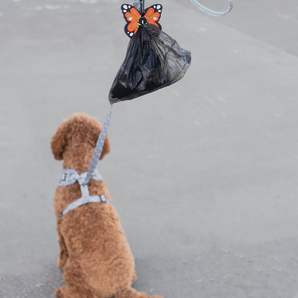
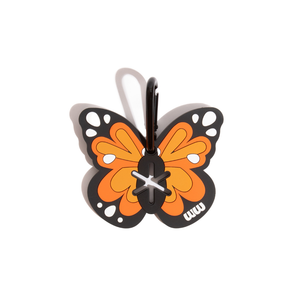
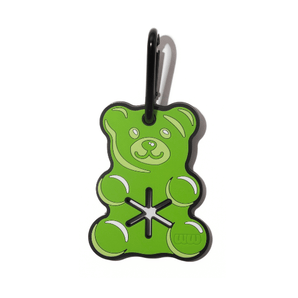
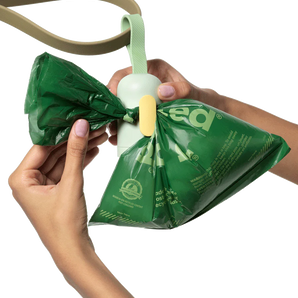
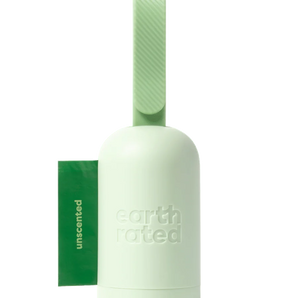
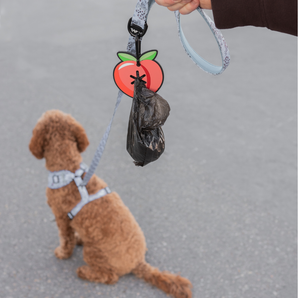
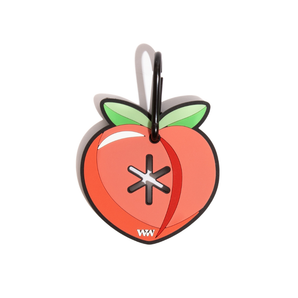
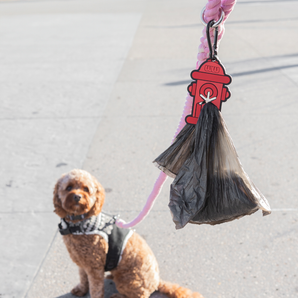
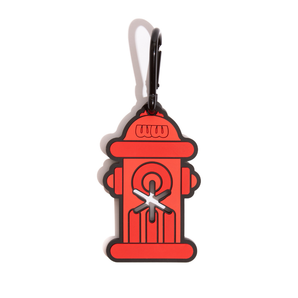
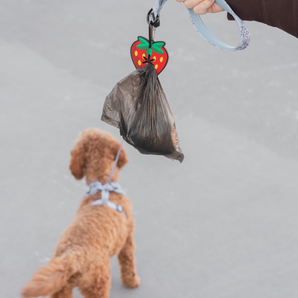
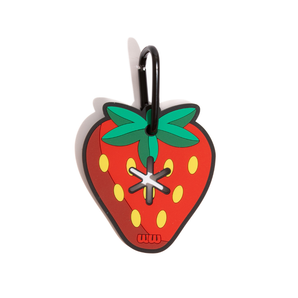
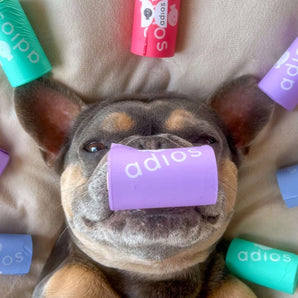
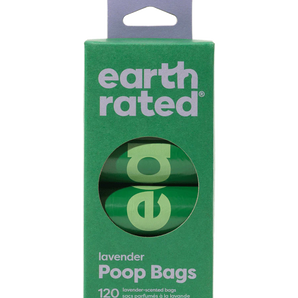
Poop bags and holders: carry a fresh roll where it is easy to reach and choose a holder that suits the attachment point.
Choose for the Walk You Actually Take
Quick Everyday Walks
A standard leash, fitted collar and compact poop-bag dispenser cover the essentials. Add a small treat pouch when you are practising check-ins, recall or calm passing.
Training Walks
Choose a pouch that opens quickly and closes securely. Fill it with suitably sized training treats that are easy to handle without crumbling into pocket geology.
Hands-Free Walks
A configurable hands-free leash can sit around the waist or across the body when the product allows it. Check its adjustment range, attachment method and instructions before use. Hands-free does not mean attention-free.
Longer Routes and Days Out
A walking bag provides more room for water, treats, waste bags, keys and other essentials. Check the listed dimensions, compartments and whether straps or pouches are included or separate.
Low-Light Walks
Reflective details, a light and good route awareness can help you stay easier to see. Lighting accessories do not replace secure handling or ordinary road safety.
Check Fit, Hardware and Wear
Inspect clips, rings, buckles, stitching, rope and adjustment points regularly. Stop using an item if hardware bends, stitching opens, fabric tears or a closure no longer holds reliably.
A collar or leash should match the individual dog’s size, strength and movement. For a growing puppy, check the fit frequently and browse The Puppy Edit for puppy-focused options. Ask a qualified trainer or vet for help if handling, mobility or equipment fit is causing concern.
Keep Walking Gear Clean
Follow each product’s care instructions. Wipe coated materials after muddy walks, shake crumbs from pouches and let damp fabric or rope dry fully before storage. Avoid soaking metal hardware unless the manufacturer permits it.
Frequently Asked Questions About Dog Walking Accessories
What do I need for a dog walk?
At minimum, use secure walking equipment suited to the dog and carry enough poop bags. Water, treats, a light, identification and a walking bag may be useful depending on the route, weather and activity.
Are hands-free leashes suitable for every dog?
No. They require an appropriate product, secure fit and active handling. Consider the dog’s size, pulling style, training and the environment.
Should a leash match the collar?
It should match the collar or harness functionally first: compatible attachment, suitable strength and appropriate size. Coordinating the print is the recreational portion of the decision.
How often should I check walking equipment?
Look over it before use and inspect it more carefully on a regular basis. Replace damaged items rather than waiting for a clip or seam to make the decision during a walk.




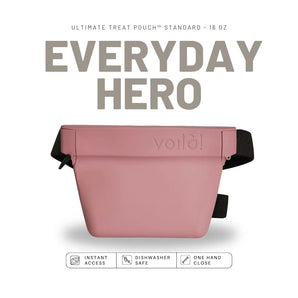 Voilà Ultimate Treat Pouch | Standard €74,95 /AubergineCharcoalClementineCobaltDusty RoseMintAvailable in 6 colors
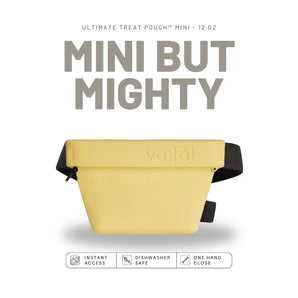 Voilà Ultimate Treat Pouch | Mini €69,95 /FuchsiaMaroonSeafoamSlateStoneSunflowerTurquoiseAvailable in 7 colors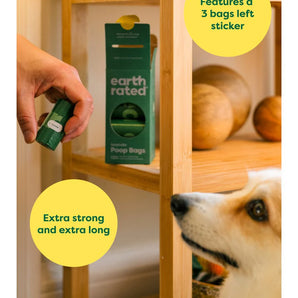









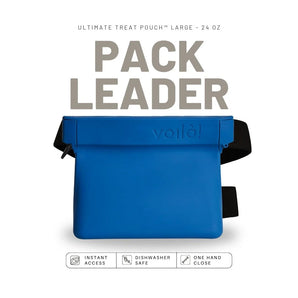 Voilà Ultimate Treat Pouch | Large €79,95 /AubergineCharcoalClementineCobaltDusty RoseMintMistAvailable in 7 colors