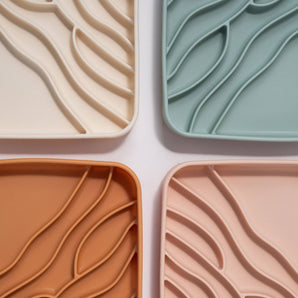
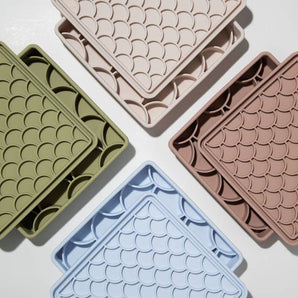
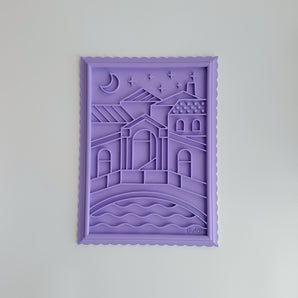
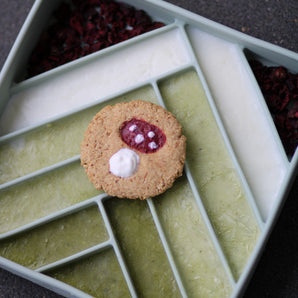
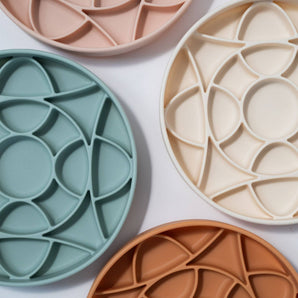
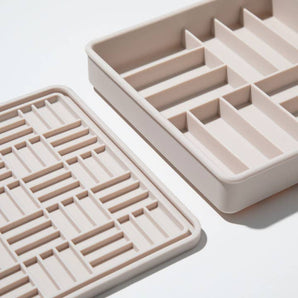
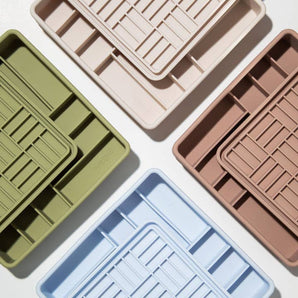
For dogs who inhale dinner, inspect every groove and consider licking a serious profession. Slow feeders and lick mats make everyday food last a little longer.
Slow Feeder Dog Bowls and Lick Mats for More Measured Meals
The work is part of the point. Navigating channels and textures gives your dog a simple piece of brain exercise, while repeated licking can feel soothing and rewarding. It keeps mouth and mind occupied for a while, whether you are answering emails, joining a meeting nearby or trying to drink your coffee while it is still warm.
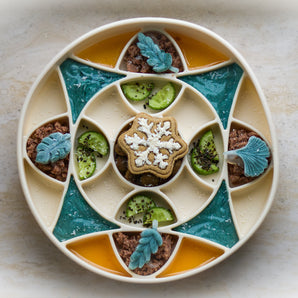
Slow feeder dog bowls and lick mats make food less direct to reach. Raised patterns, channels and textured surfaces encourage dogs to work around a meal instead of taking unrestricted mouthfuls from an open bowl.
Use them for everyday feeding, a frozen licking activity or a little extra variety in your dog’s food enrichment routine. Dinner still arrives. It simply comes with terms and conditions.
Slow Feeder or Lick Mat: What Is the Difference?
Slow Feeder Dog Bowls
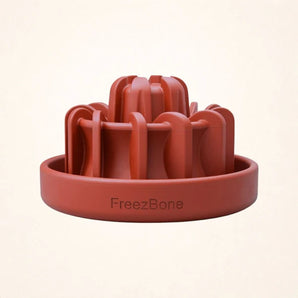
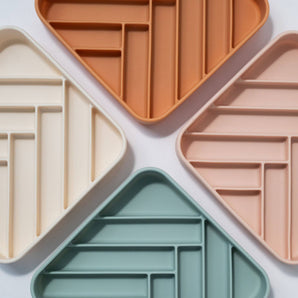
A slow feeder divides a meal with raised shapes and channels. It works well with kibble, wet food and many raw meals. The right pattern can encourage smaller mouthfuls and a more measured eating pace.
Choose a bowl that suits your dog’s muzzle and portion size. Deep, tightly packed patterns can be frustrating for flat-faced dogs or dogs with limited mobility.
Lick Mats for Dogs
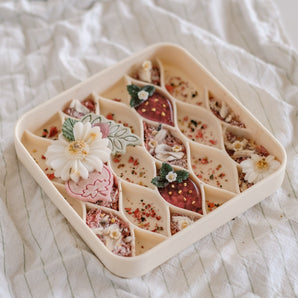
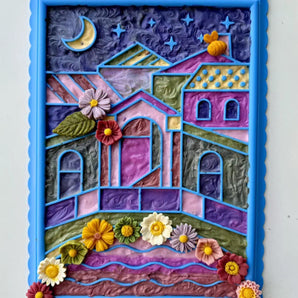
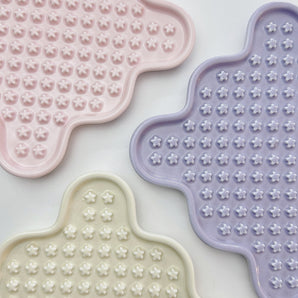
A lick mat spreads soft food across grooves or textured areas. Your dog has to lick around the surface to collect it. Use wet food or another dog-suitable soft filling, then serve it fresh or freeze it when the product allows.
Hybrid Feeders
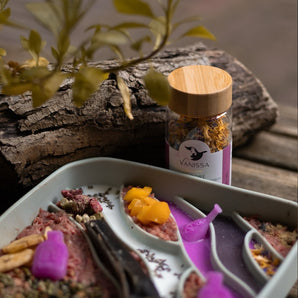
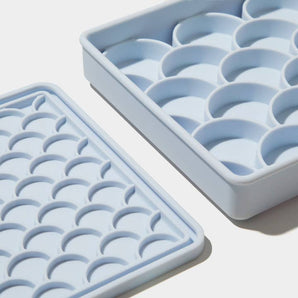
Some designs combine both functions. The Dogged 3-in-1 bowls work as slow feeders, lick mats and storage containers, while the Ollie B. Good Zoomies bowl combines a curved silicone pattern with a suction base.
Choose by Material and Mealtime
Ceramic: stable and good-looking, but heavier and breakable. Check for chips before use.
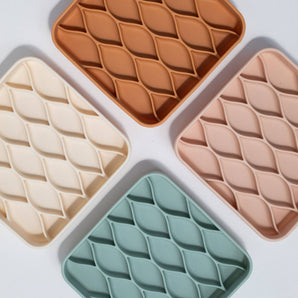
Silicone: flexible and useful for soft food. Suction works best on a smooth, clean surface.
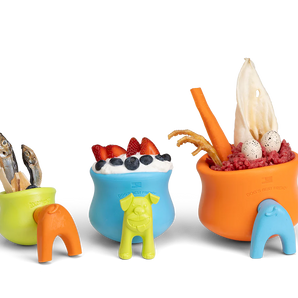
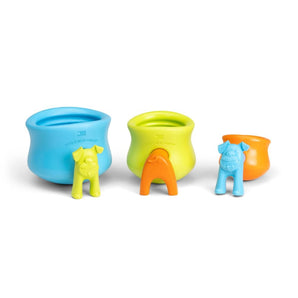
Durable rubber: useful for filling and freezing. Products such as Zogoflex Toppl and FreezLava add more depth than a flat mat.
Fabric and textured mats: options such as The Clover Mat add licking or searching, but should be removed if your dog starts chewing the material.
Care instructions vary. Check the individual product page before using a dishwasher or freezer.
What Can You Put on a Lick Mat?
Use wet food, soaked kibble or another soft food that is safe and familiar for your dog. Spread a thin layer through the texture rather than turning the mat into an unplanned second meal.
Check labels carefully. Never use products containing xylitol, chocolate, grapes, raisins, onion or garlic. Introduce new ingredients one at a time if your dog has a sensitive stomach.
How to Use a Slow Feeder Safely
Start with the dog’s normal meal and an accessible pattern.
Place the feeder on a level surface and secure any suction base.
Watch the first few meals to check that your dog can reach the food comfortably.
Remove the feeder after the meal if your dog begins carrying or chewing it.
Clean it thoroughly after every use and inspect it for damage.
Do Slow Feeders Prevent Bloat?
A slow feeder may encourage a steadier eating pace, but it cannot guarantee prevention of gastric dilatation-volvulus or treat digestive disease. Seek urgent veterinary help if your dog develops a swollen abdomen, repeated unproductive retching, restlessness or signs of pain.
Why Slow Feeders and Lick Mats Earn Their Cupboard Space
They are useful when your dog needs a quiet task as well as at mealtimes. A prepared lick mat or suitable slow feeder can provide focused mental enrichment while you sit nearby through a meeting, after a walk or while the household settles. It is a satisfying job, not a replacement for company, exercise or supervision.
They add variety to meals without requiring extra food. Choose a slow feeder for dogs who rush through a bowl, a lick mat for soft or frozen fillings, or a hybrid design when both jobs sound useful.
The best pattern is one your dog can use successfully and you can clean properly. More complicated is not automatically more enriching. Sometimes it is just more washing up.
Frequently Asked Questions
Can a lick mat be calming for dogs?
Repeated licking can be a soothing, rewarding activity for many dogs and gives them something focused to do. Every dog is different, so keep the filling suitable, the difficulty fair and supervise according to the product and your dog’s habits.
Are slow feeder bowls suitable for wet food?
Yes. Many patterns work with wet food and raw meals as well as kibble. Check the material and clean it thoroughly afterwards.
Can I freeze a lick mat?
Only if the product is freezer safe. Leave room for watery mixtures to expand and allow very hard frozen food to soften slightly if needed.
What is the best slow feeder for a flat-faced dog?
Look for a shallower, wider pattern with easy access. Supervise the first meals and switch designs if your dog cannot reach the food comfortably.
Do suction cups work on every floor?
No. They work best on smooth, clean, non-porous surfaces. Texture, dust and moisture can reduce grip.
Can a lick mat replace a meal?
It can hold part or all of a normal meal when the portion and nutritional balance are appropriate. A layer of treats should still be counted as treats.
Are slow feeders chew toys?
No. Remove the feeder once the food is finished if your dog begins chewing the bowl or mat.
How do I clean a slow feeder or lick mat?
Follow the product instructions. Remove food from every groove, wash after each use and let the item dry fully before storing it.



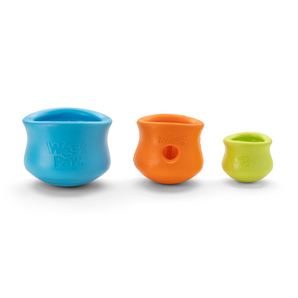 Zogoflex Toppl From €28,95 /Aqua BlueGranny Smith GreenTangerine OrangeLimited Edition LavenderAvailable in 4 colors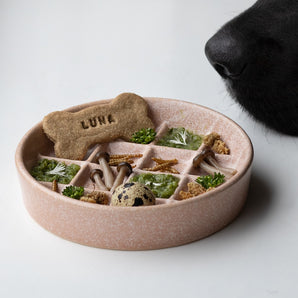
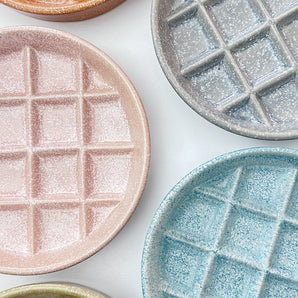
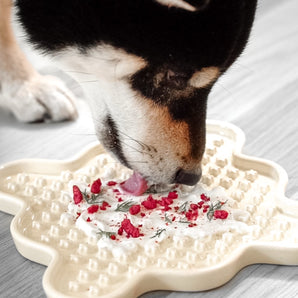

 Zoomies slow feeder bowl €26,95 /BlueberryButtercupFigHoneydewPeachEggnogPlumPumpkinAvailable in 8 colors