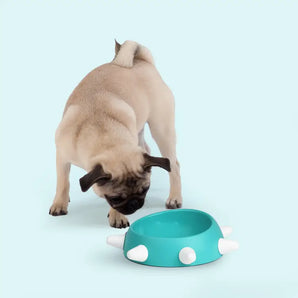
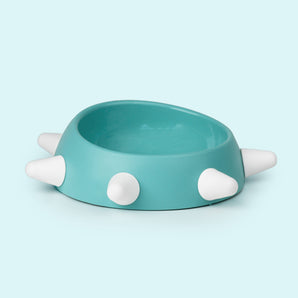
Dog Bowls for Food, Water, Travel and Less Floor-Based Drama
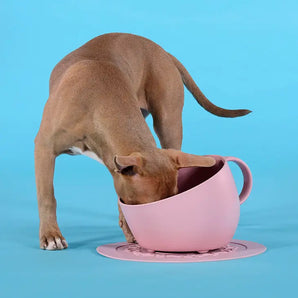
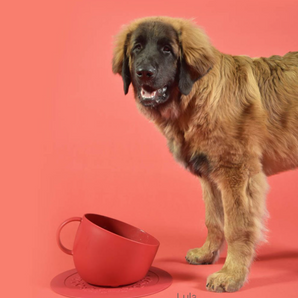
A dog bowl needs the right capacity, a shape the dog can use comfortably and a cleaning routine everyone can live with. The design can look excellent in the kitchen. It still has to hold dinner.
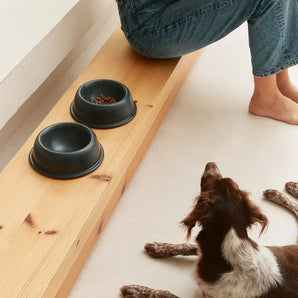
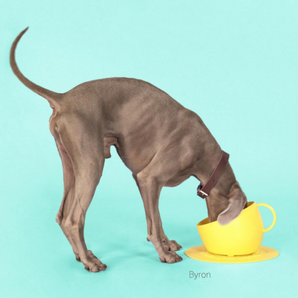
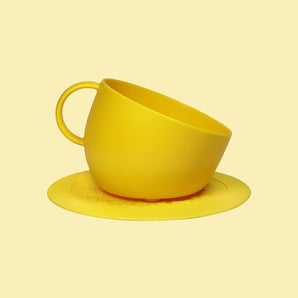
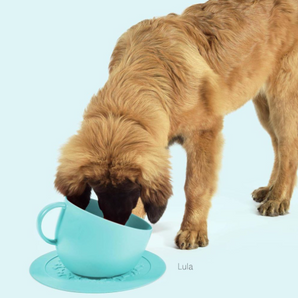
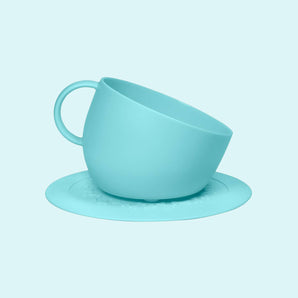
This collection includes feeding bowls, water bowls, ceramic designs, recycled and bioplastic options, larger bowl-and-mat sets and travel bottles for water away from home.
Choose a Dog Bowl by Use
Everyday Food and Water Bowls
Check capacity against the dog’s portion or water needs, leaving enough room to reduce spills. Consider the base width, rim height and whether rubber feet or an anti-tip shape help keep the bowl steady.
Ceramic Dog Bowls
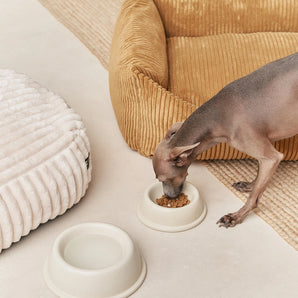
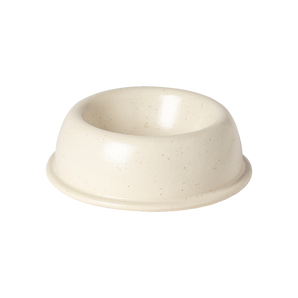
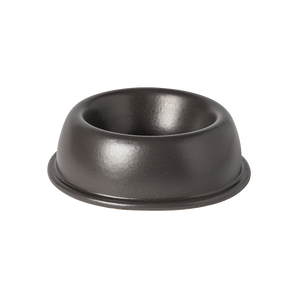
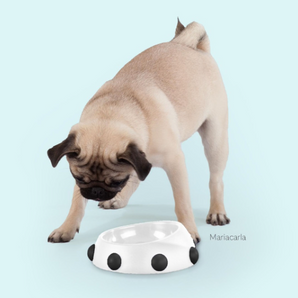
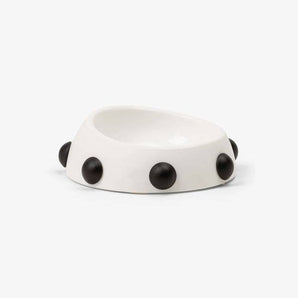
Ceramic has useful weight and a solid feel. The Bole Ceramic Dog Bowl uses a wider base and thickened lower walls for stability. Inspect ceramic regularly and stop using it if cracks, chips or sharp edges develop.
Recycled and Bioplastic Bowls
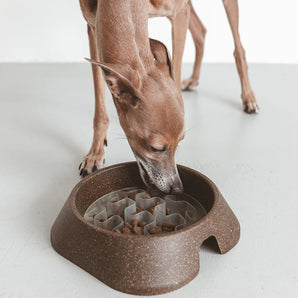
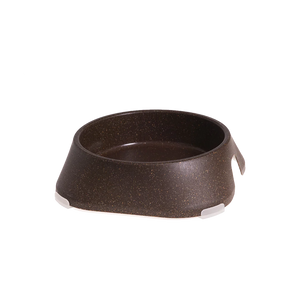
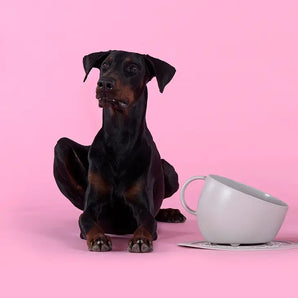
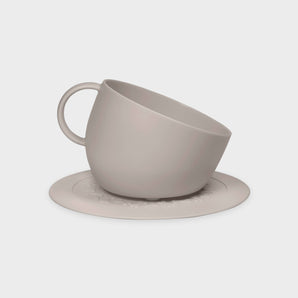
Material descriptions are product-specific. The Eaty Bowl uses recycled corn bioplastic and comes in different capacities. Follow its hand-washing and temperature instructions rather than assuming every plastic-like bowl is dishwasher-safe.
Travel Water Bottles
A dog travel bottle combines water storage with a drinking section. Compare capacity, closure, size and cleaning instructions. Test it before a long outing and carry enough water for the dog, route and weather.
Slow Feeding
If the goal is to spread food across ridges, grooves or compartments, browse slow feeders and lick mats. Choose a pattern the dog can use without frustration and supervise the meal.
Size, Shape and Feeding Style
Capacity: use the listed millilitres rather than judging from a photograph.
Opening: make sure the muzzle can reach food and water comfortably.
Rim: a higher edge may contain more splash but must still suit the dog’s face and posture.
Base: weight, width and non-slip feet influence movement.
Placement: put the bowl on a stable, level surface where it will not become a trip hazard.
There is no single bowl shape that is best for every breed or medical concern. Ask a vet for individual feeding-position advice when swallowing, mobility or digestive problems are involved.
Cleaning Dog Bowls
Wash food and water bowls regularly with a method permitted by the product. Some ceramic and recycled-plastic designs are dishwasher-safe, while others require hand washing below a stated temperature. Rinse away detergent and let the bowl dry.
Inspect bowls, mats and bottles for cracks, chips, deep scratches, worn valves and trapped residue. Replace damaged items rather than giving bacteria a studio apartment.
Frequently Asked Questions About Dog Bowls
What size dog bowl do I need?
Choose enough capacity for the intended food or water amount and enough opening width for comfortable access. Check the product measurements and the dog’s actual portion.
Are ceramic dog bowls safe?
They can be suitable when food-safe, intact and cleaned correctly. Stop using a bowl if the glaze, rim or body becomes chipped or cracked.
Can dog bowls go in the dishwasher?
Only when the product instructions say so. Material alone is not enough to determine the correct cleaning method.
Should I use a slow feeder?
It may add more interaction or reduce direct access to food, but choose the design carefully. Eating concerns, repeated vomiting or digestive symptoms need veterinary advice.