Bowls are fine. But some dogs prefer dinner with a small administrative burden. Explore slow feeders, lick mats, puzzles and fillable toys that turn food into something to work on.
Dog Food Enrichment for Slower, More Engaging Meals
Dog food enrichment turns an everyday meal into something to lick, sniff, nudge, search or solve. Instead of placing food in an open bowl every time, you can use slow feeders, lick mats, food puzzles and fillable toys to encourage a more measured pace and give your dog a simple job.
It does not need to be elaborate. Using part of your dog’s normal meal in a different format is often enough. The point is not to make dinner impossible. It is to add a useful amount of effort without creating a tiny, food-based escape room.
Choose the Right Type of Food Enrichment
Slow Feeders and Lick Mats
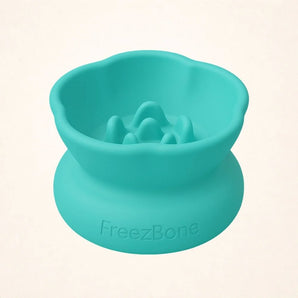
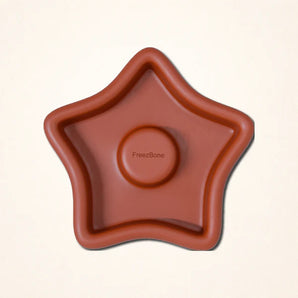
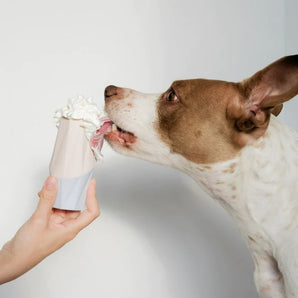
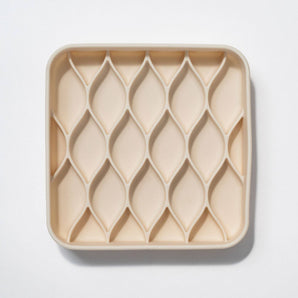
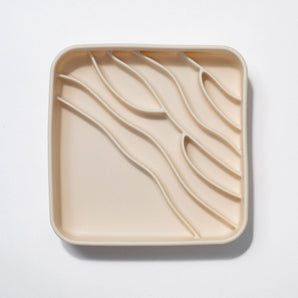
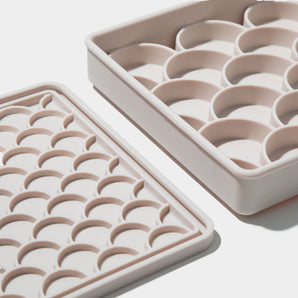
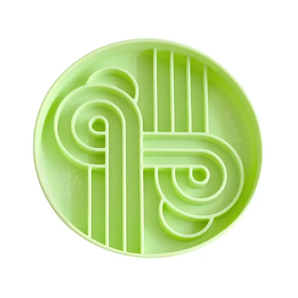
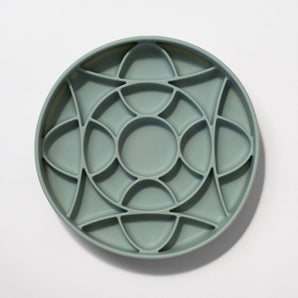
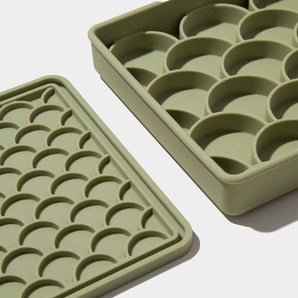
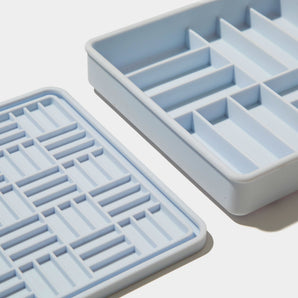
Slow feeder bowls and lick mats spread food around raised patterns, grooves or textured surfaces. Slow feeders suit kibble, wet food and many raw meals. Lick mats work best with soft food and dog-suitable spreads, either fresh or frozen.
Dog Puzzle Toys and Treat Dispensers
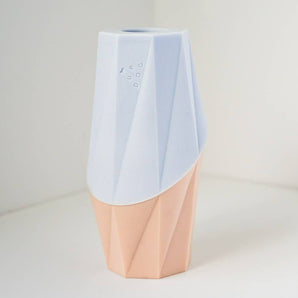
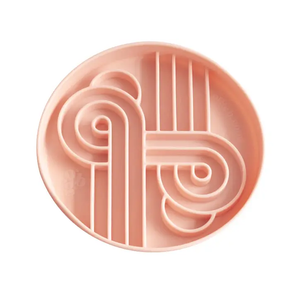
Dog puzzle toys and treat dispensers ask your dog to roll, push, slide or investigate before food appears. They range from simple fillable toys to puzzles with moving parts and hidden pockets.
Fillable Toys for the Freezer
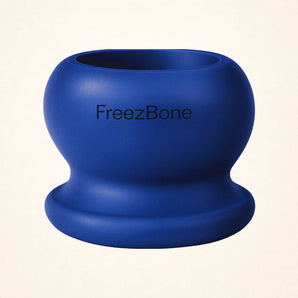
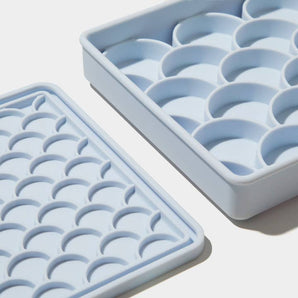
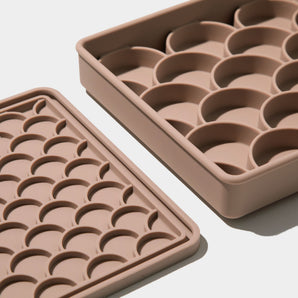
Durable fillable toys can hold soaked kibble, wet food or another suitable mixture. Freezing the filling makes it firmer and can extend the activity. The Freezbone collection is designed around this fill-and-freeze routine.
Treats and Toppers for Filling
Use part of a regular meal or choose small pieces from our dog treats and snacks. Soft foods work well in grooves, while dry pieces suit rolling dispensers and hidden compartments. Count every filling as food, even when it arrived inside a toy wearing a convincing disguise.
How to Choose Food Enrichment for Your Dog
Start with play style: choose licking for dogs who enjoy soft food, rolling for dogs who like movement, and searching or sliding for dogs who enjoy solving.
Match the difficulty: beginners need food that is easy to reach. Increase the challenge only after your dog understands the game.
Check size and shape: the product should suit your dog’s mouth, muzzle and portion size.
Consider chewing habits: soft mats and fabric puzzles are not suitable for unsupervised chewing. Even durable rubber is not indestructible.
Think about cleaning: choose a material and shape you can clean thoroughly after the foods you plan to use.
How to Introduce a New Enrichment Feeder
Use familiar food and make the first attempt easy.
Show your dog where the food is rather than waiting for a heroic breakthrough.
Supervise and help if frustration replaces curiosity.
Finish the session while your dog is still engaged.
Add more food, freezing or harder compartments gradually.
Some dogs solve a new toy immediately. Others need several short sessions. Both are normal. Difficulty should build confidence, not produce an argument with a piece of silicone.
Fresh or Frozen Fillings
Food enrichment can use kibble, soaked kibble, wet food, dog-suitable soft food or treats your dog already tolerates. Check every ingredient and avoid products containing substances that are unsafe for dogs, including xylitol, chocolate, grapes, raisins, onion and garlic.
Leave a little room for expansion in watery mixtures before freezing. Thaw only as needed, follow normal food-safety guidance and clean the product after every use, especially after raw ingredients.
Food Enrichment Safety
Supervise every new product and inspect it before and after use. Choose the correct size, remove broken pieces and take the item away if your dog switches from working for food to chewing the material.
Food enrichment supports a varied routine, but it does not replace walks, sniffing, training, rest or social contact. It also does not treat anxiety, digestive problems or other medical conditions. Speak with a veterinarian or qualified behaviour professional when those concerns are present.
Why Food Enrichment Works So Well in Daily Life
The best enrichment is the kind you will actually use. A slow feeder at breakfast, a lick mat during grooming or a puzzle filled with part of dinner can add variety without requiring a colour-coded activity calendar.
Start easy, use appropriate portions and choose a format that matches your dog rather than the most complicated object on the internet.
Frequently Asked Questions
What is food enrichment for dogs?
It means presenting food in a way that encourages behaviours such as licking, sniffing, searching, pushing or problem-solving instead of always serving it in an open bowl.
Can I use my dog’s normal food?
Yes. Kibble, soaked kibble and wet food can all work, depending on the product. Using part of a normal meal also makes portions easier to manage.
How difficult should a dog food puzzle be?
Start easy enough that your dog succeeds quickly. Increase the challenge gradually once the mechanism is familiar.
Can I freeze enrichment toys and lick mats?
Only when the individual product is freezer safe. Leave room for watery fillings to expand and let very hard frozen food soften slightly if needed.
How often can I use food enrichment?
It can be part of the daily routine as long as the food is counted within your dog’s normal intake and the activity remains safe and enjoyable.
Is food enrichment suitable for strong chewers?
Choose durable materials and supervise closely. If chewing is the main activity, browse the Strong Chewers collection instead. No feeder or toy is indestructible, and soft mats or fabric puzzles should be removed if your dog begins chewing them.
Does food enrichment help anxiety?
It can provide a focused activity, but it does not diagnose or treat anxiety. Ask a qualified professional for help with persistent stress or behaviour changes.


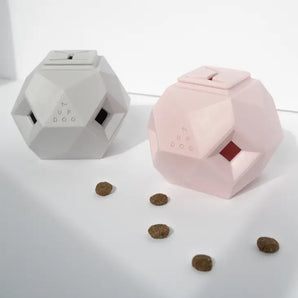
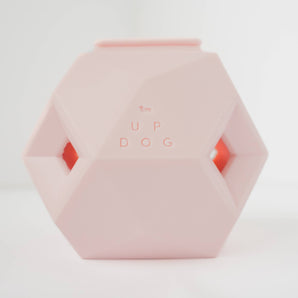 The Odin - Modern Interactive Dog Puzzle Toy €24,95 /Rose QuartzLight GreySlate GreyPowder BlueLavender PurpleAvailable in 5 colors