Nosework/ Snuffle Toys

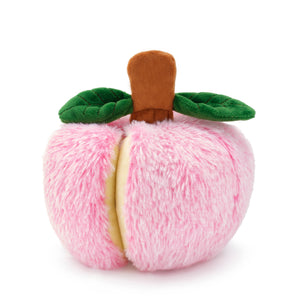

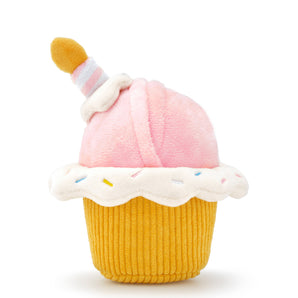

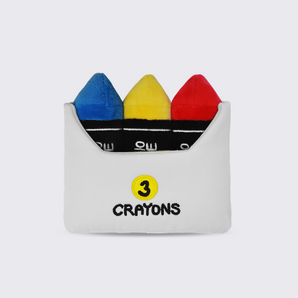






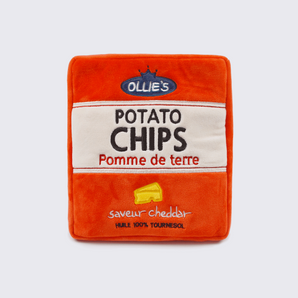

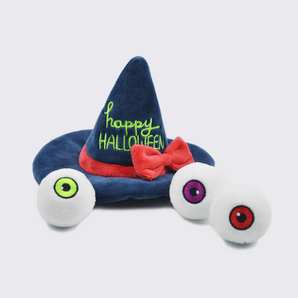

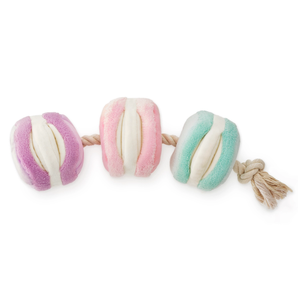

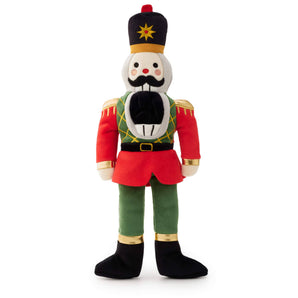











Nosework Toys and Snuffle Mats for Dogs
Nosework toys turn a few treats or part of a meal into something to search for. Instead of receiving the reward immediately, your dog follows scent through fabric strips, pockets, folds, pages or hidden compartments.
It is practical mental enrichment for rainy afternoons, quieter days or a focused activity while you work nearby. The aim is an enjoyable investigation, not an entrance exam.
Types of Nosework and Snuffle Toys
Snuffle Mats
Snuffle mats scatter dry food through fabric sections so dogs search with their nose. Larger mats can spread the activity across different textures and hiding areas.
Nosework Books, Rolls and Pockets
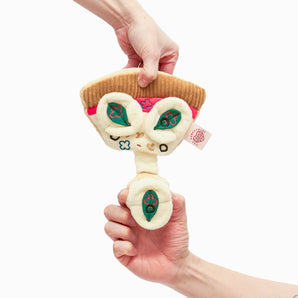
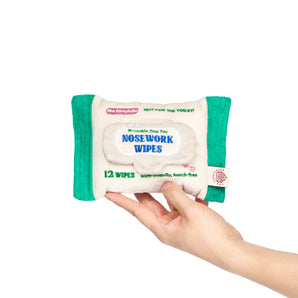
Soft activity books, rolled fabric toys and pocketed designs let you vary where rewards are hidden. Leave sections open at first, then fold, roll or fasten them as your dog becomes more confident.
Snuffle Balls
Snuffle balls combine scent searching with movement. Food sits inside folds or pockets while the ball changes position, so the dog has to sniff and investigate rather than simply empty a flat surface.
Hide-and-Seek Plush Toys
Some nosework toys include removable plush pieces, treat pockets or larger containers to search. For toys built around pulling small characters from a soft container, see burrow toys.
How to Introduce a Nosework Toy
- Choose small, aromatic rewards that suit your dog. Training treats can work well when their size matches the pockets and openings.
- Place a few treats where they are partly visible and easy to reach.
- Let your dog investigate without moving their nose or paws for them.
- Make one element harder at a time by folding fabric, closing a flap or using a deeper pocket.
- End while the game is still enjoyable and count the rewards as part of the daily food allowance.
If your dog walks away, paws frantically or starts tearing fabric, make the next attempt easier. Difficulty should grow from understanding, not from withholding the answer.
Nosework Toys, Interactive Toys and Food Puzzles
Nosework toys focus mainly on scent and foraging through soft materials. Interactive dog toys can also include sliders, guided brain games and rolling dispensers, while food puzzles often require more deliberate rolling, sliding or licking.
These categories overlap, but the mechanism matters more than the label. Choose the task your dog is likely to enjoy and understand.
Choosing the Right Difficulty
- Beginners: open mats, visible treats and shallow pockets.
- Confident searchers: layered folds, rolled sections and several hiding places.
- Persistent problem-solvers: fastened flaps, deeper pockets and toys that combine scent with movement.
- Fast eaters: spread part of the meal widely rather than packing a few areas tightly.
A difficult toy is not automatically a better toy. The best level produces steady searching and regular small wins.
Cleaning and Safety
Use food that suits the toy and follow its care instructions. Shake out crumbs after use, wash fabric items as directed and let them dry completely before storing.
Supervise every session. If your dog starts chewing instead of searching for the treats, interrupt gently and guide them back to an easy, visible reward. When the treats are gone, remove the toy rather than leaving it as a chew object. Stop the session immediately if your dog pulls off pieces or reaches internal materials. Snuffle and nosework toys are search tools, not chew toys, and they do not replace walks, rest, training or time together.
Frequently Asked Questions About Nosework Toys
What is nosework for dogs?
Nosework is an activity in which a dog uses scent to locate food, objects or a target smell. At home, a snuffle mat or treat-hiding toy offers a simple food-search version.
Are snuffle mats good for mental enrichment?
They create a scent-led task and make food take more investigation. That can add useful mental activity, although the experience depends on the dog and the difficulty.
Can I put a full meal in a snuffle mat?
Only if the food, mat size and product instructions make that appropriate. Dry food is usually easier to distribute and clean up than wet food.
Can nosework calm a dog?
Many dogs find sniffing focused and rewarding, but no toy can guarantee calm or treat anxiety. Choose an achievable activity and ask a qualified professional about persistent stress or behavioural concerns.
How long should a nosework session last?
Keep early sessions short and successful. Stop when your dog loses interest, becomes frustrated or begins chewing the toy instead of searching.